A milestone we can document
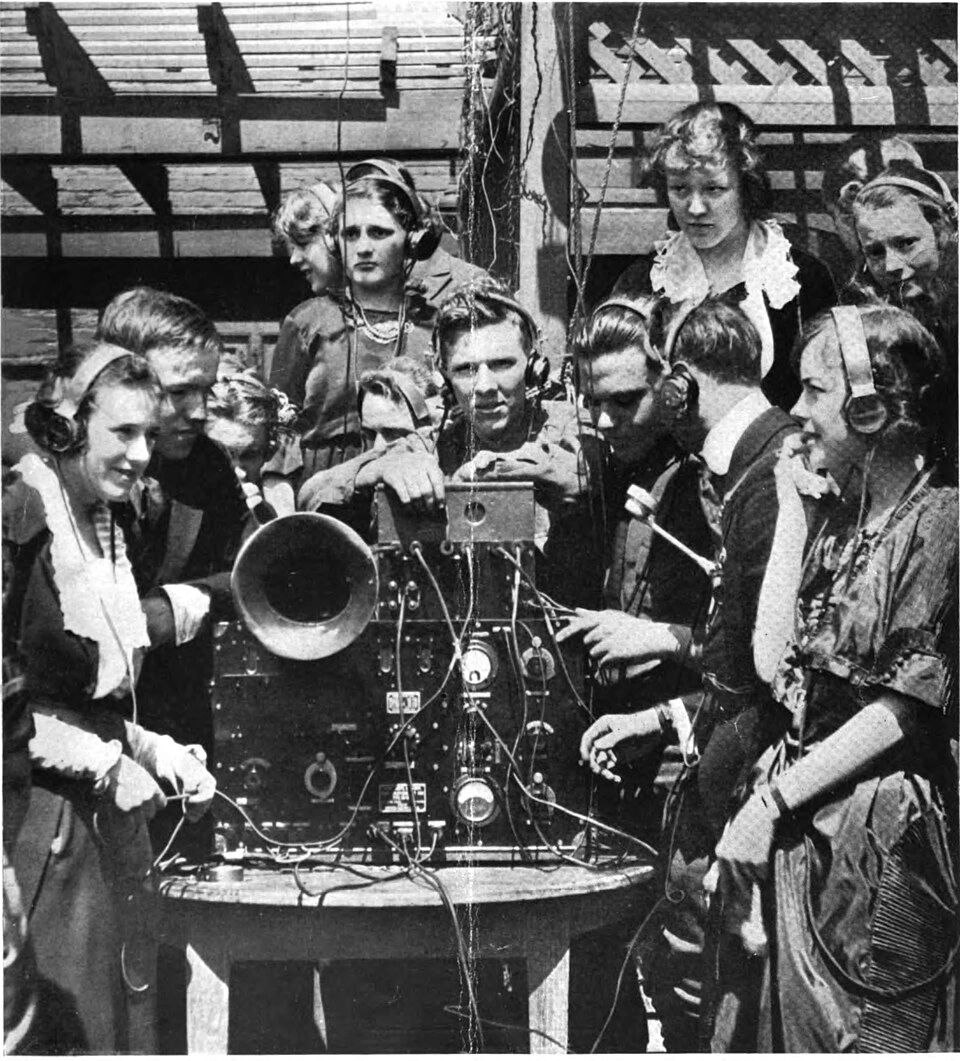
Silent disco history is often told as a single invention story. That requires stronger evidence than a repeated marketing claim. One documented milestone is Glastonbury Festival's official history for 2005: it records a Silent Disco among the attractions in the new Dance Village.
That source establishes the format's presence at that festival in 2005. It does not establish who invented headphone dancing or identify the first silent disco anywhere. We therefore do not assign an inventor, a first-ever date, or a market-growth statistic without a source that supports the specific claim.
What makes the format distinctive
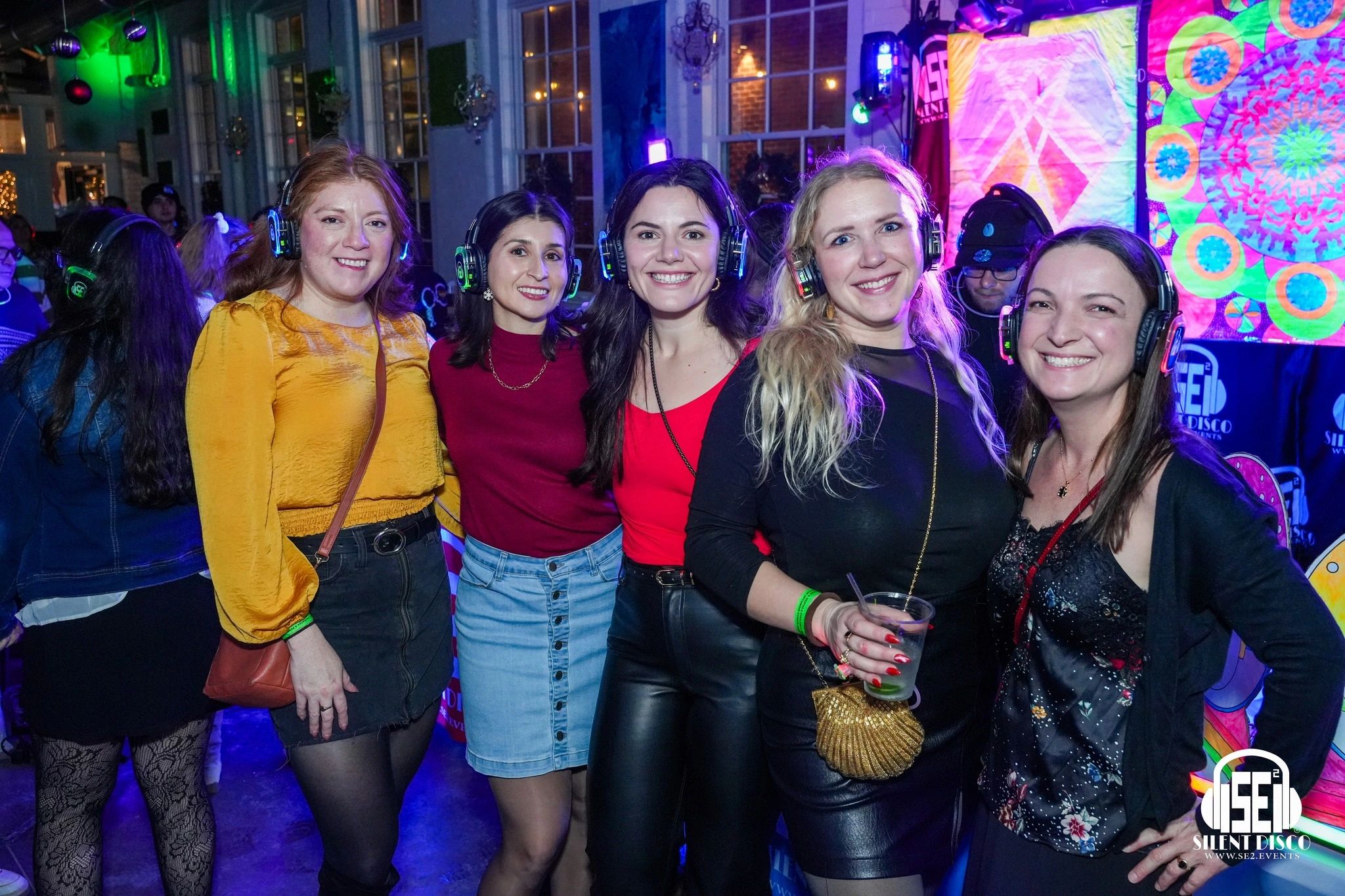
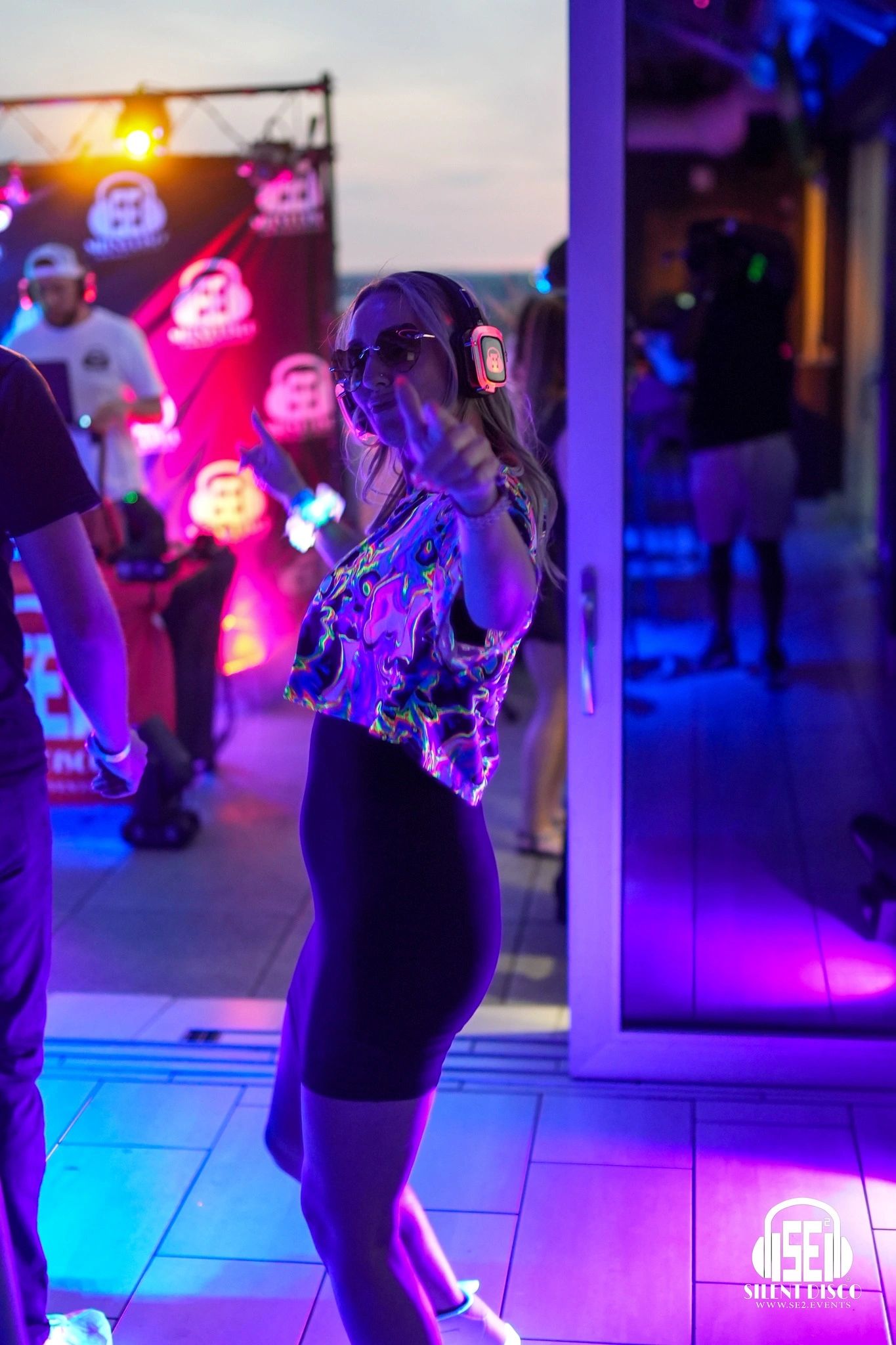
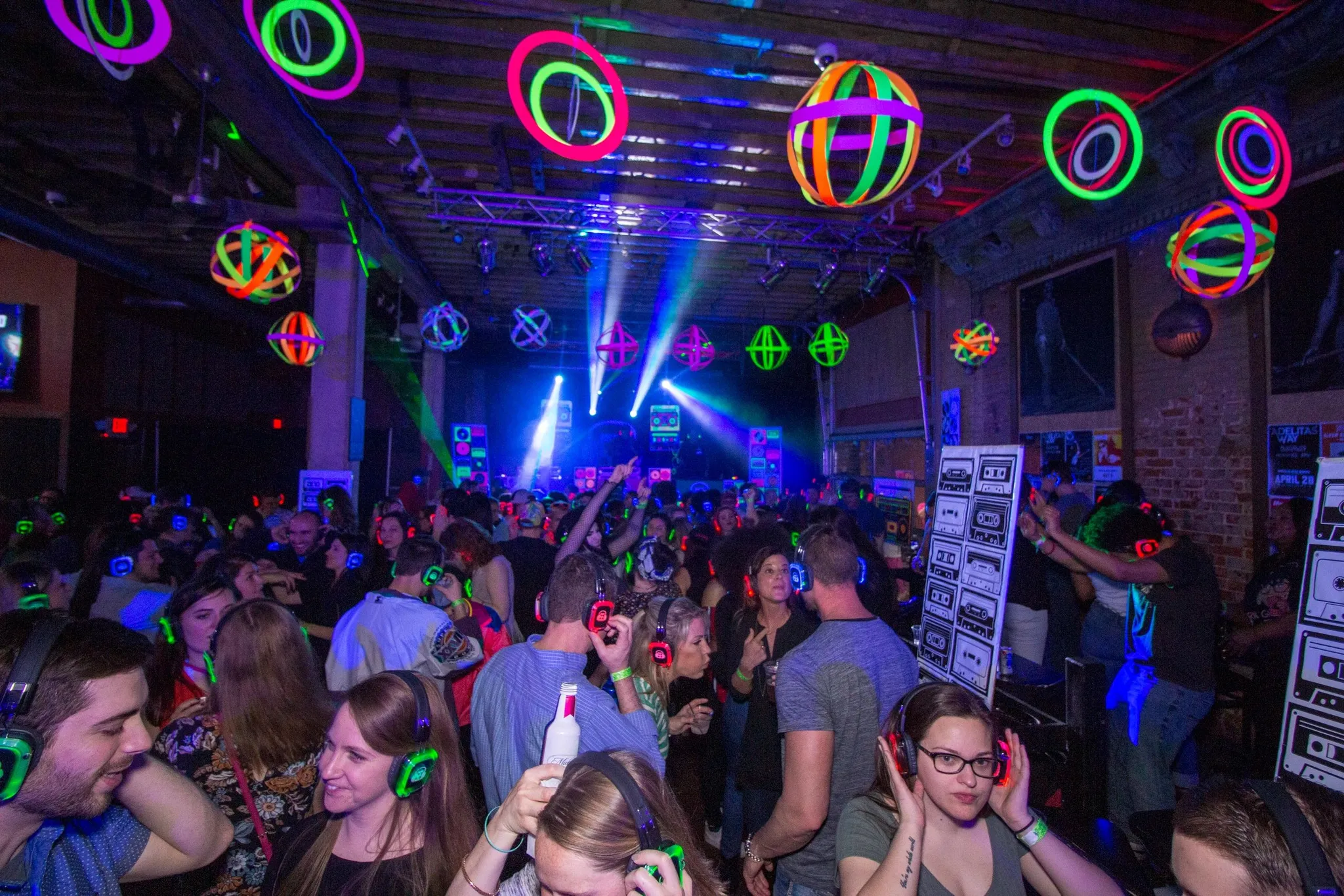
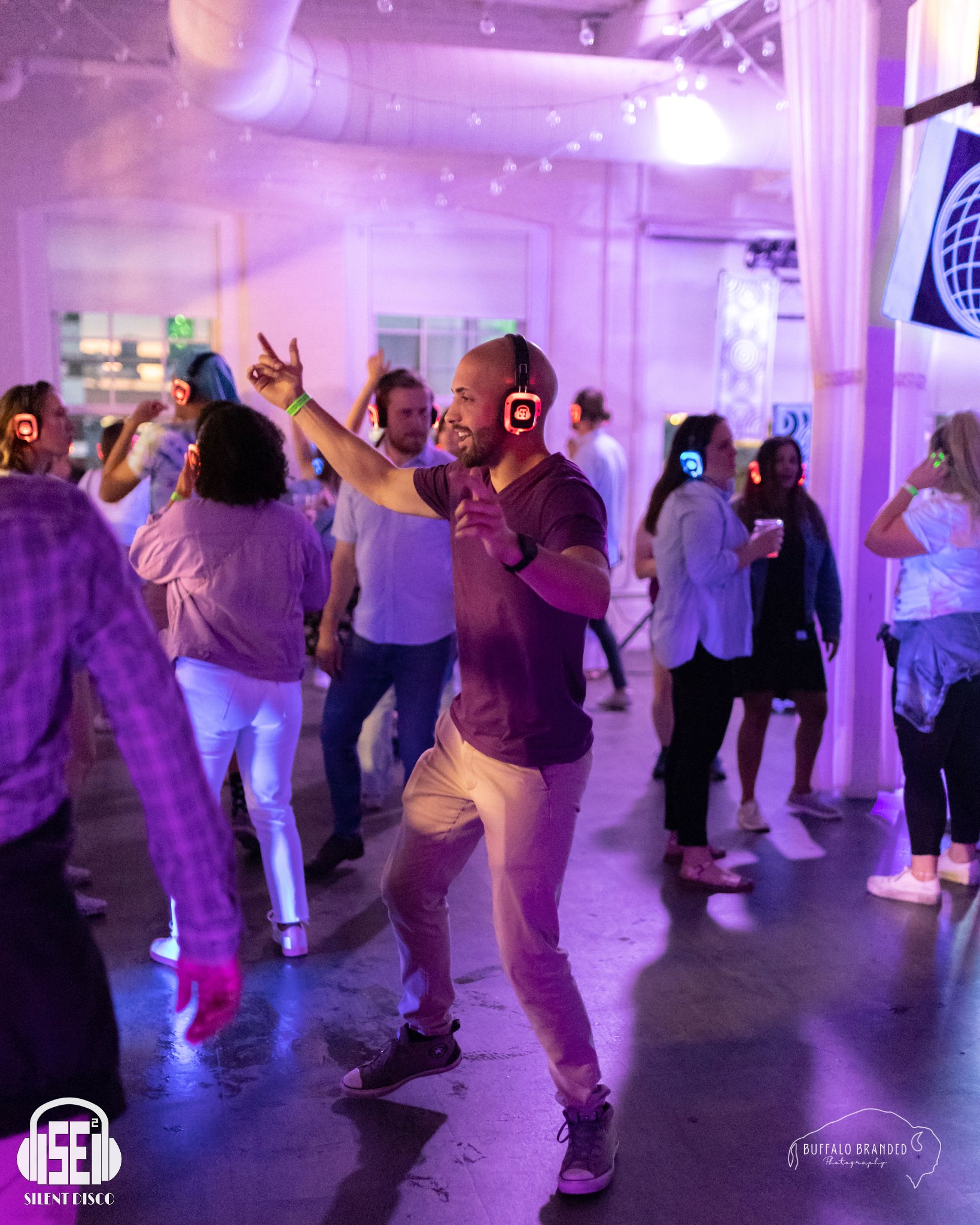
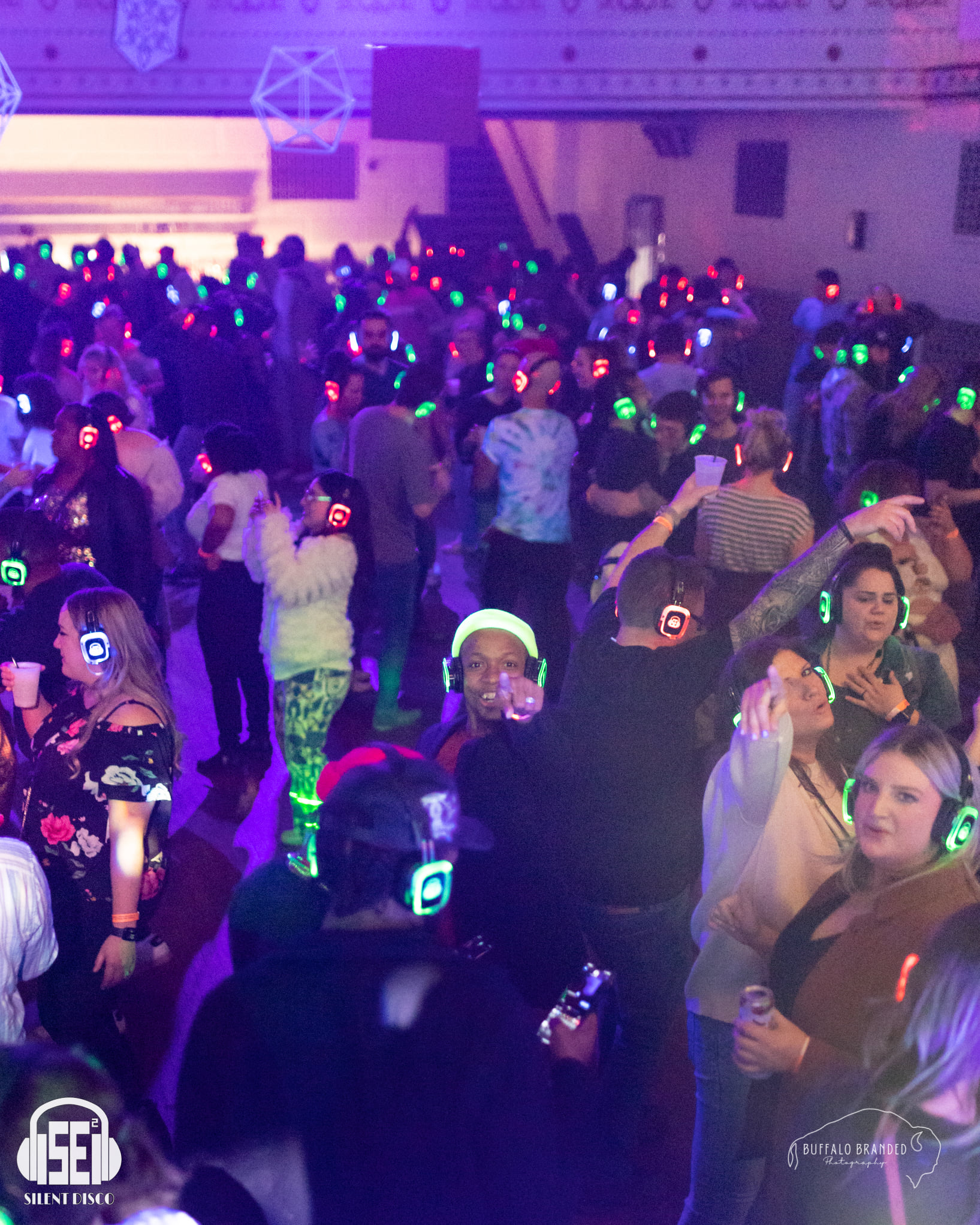
The central idea is easy to recognize: participants hear an audio feed through headphones rather than relying on music broadcast throughout the surrounding space. With a multi-channel system, listeners can choose among separate feeds while remaining at the same gathering.
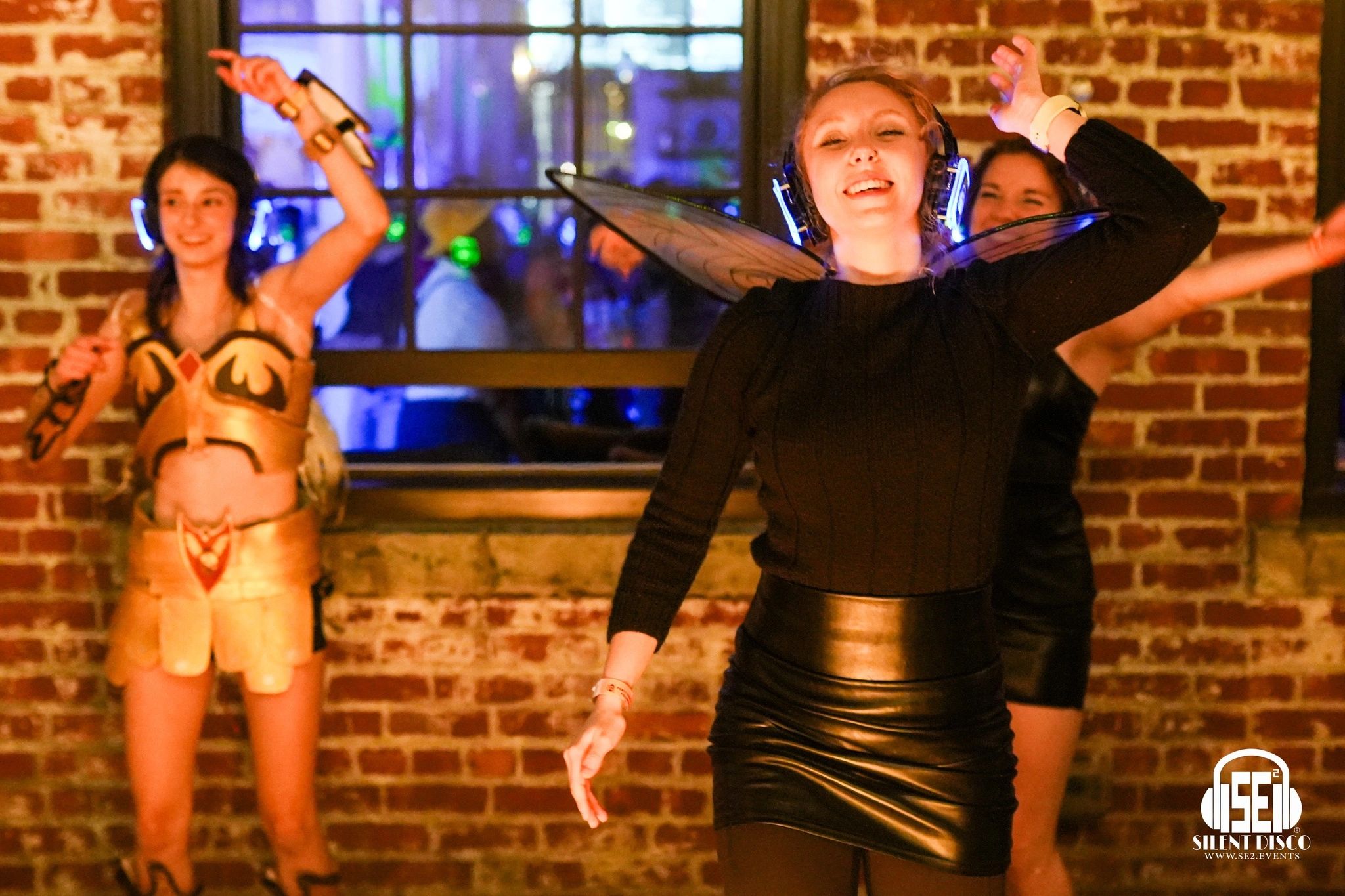
That changes the visible experience. Guests may move to different rhythms beside one another, and removing the headset reveals the room rather than the amplified music. It does not mean the crowd itself is silent.
History is not an equipment specification
A historical festival example does not tell you the channel count, range, battery life, or input connections of a system offered today. Those details depend on the actual equipment. For SE2's setup, use the current headphone guide and transmitter guide, then confirm the configuration for your event.
Likewise, a format's appearance at a major festival does not prove that it is suitable for every party, conference, or venue. Choose it because its listening experience and practical requirements fit your audience—not because of an unsupported claim that it is replacing every other kind of event.
To experience the current local format, check upcoming SE2 events for real dates, locations, and ticket details.