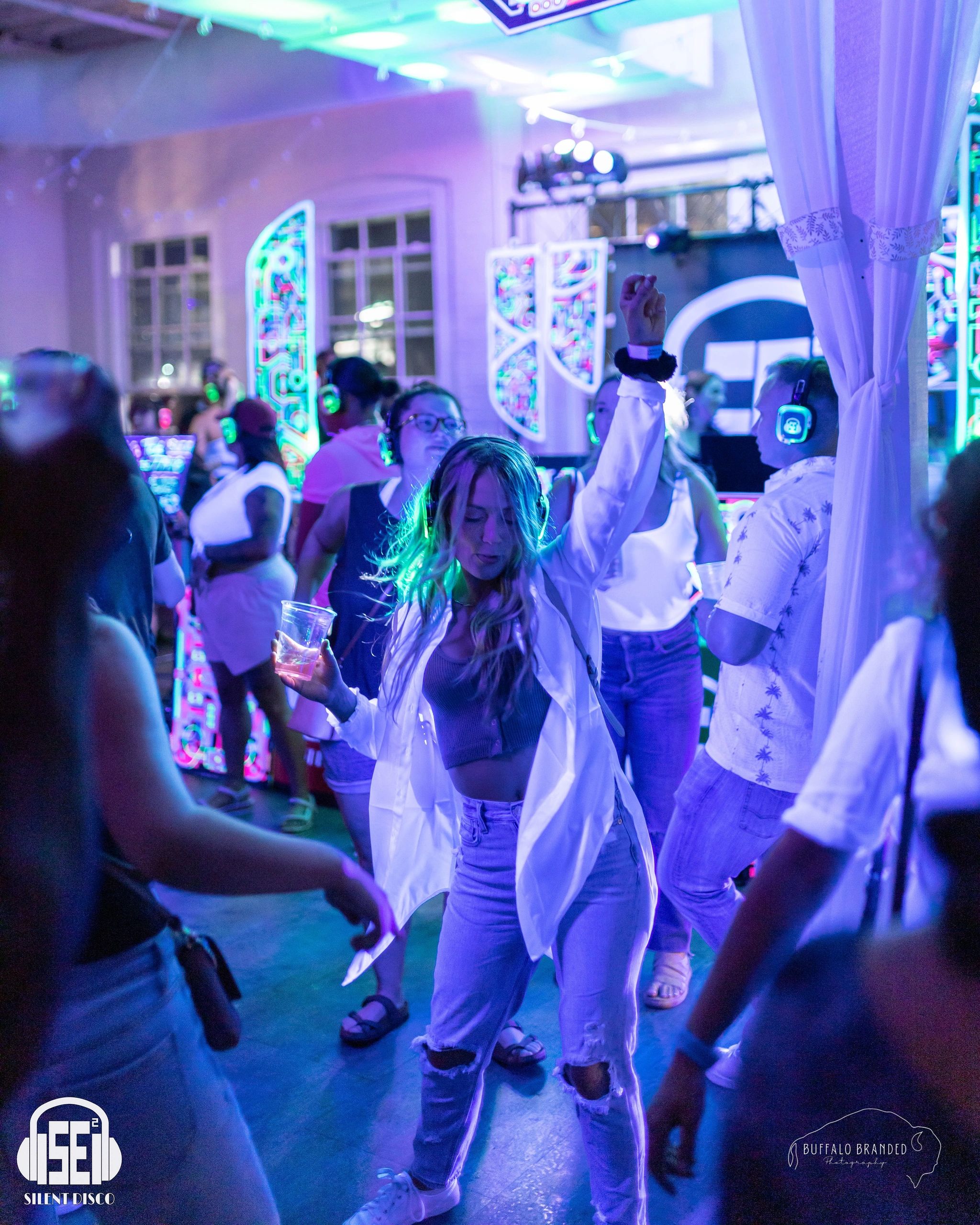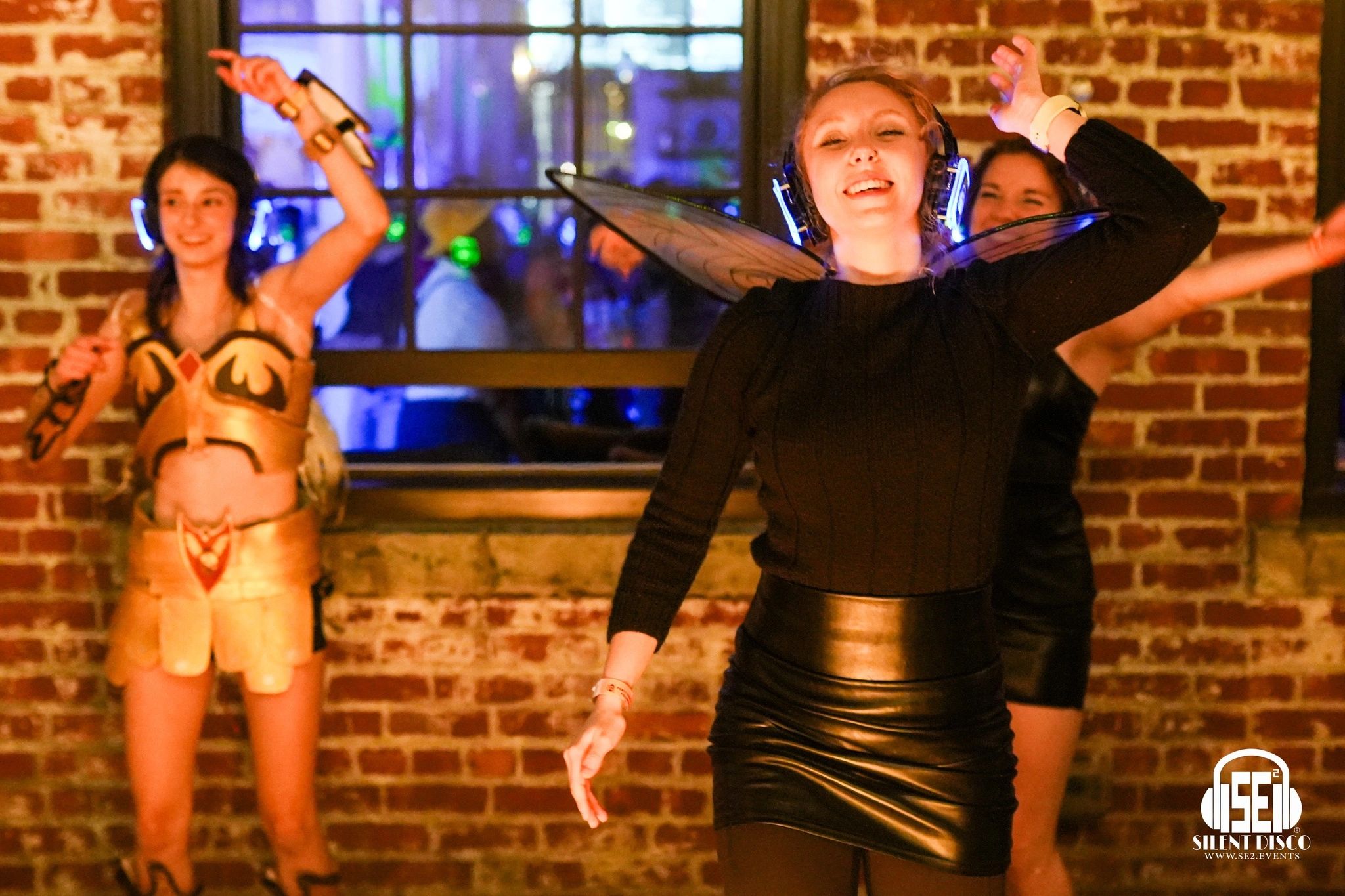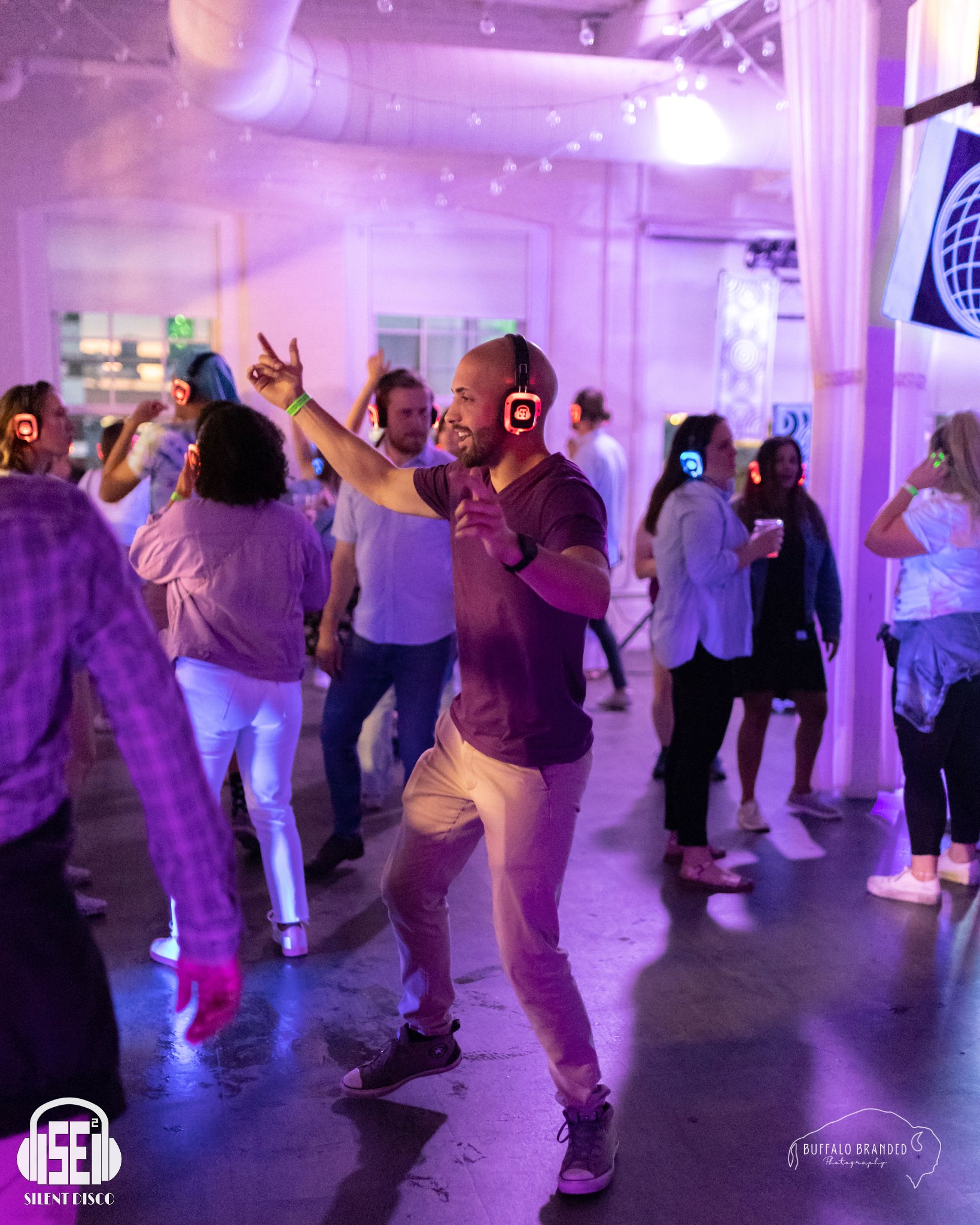
Hosting a silent disco starts with the same question as any strong event: what should guests experience when they arrive? Once the guest count, venue, music plan, and support level are clear, the headphone setup becomes much easier to plan.
1. Set the guest count and headphone plan
Estimate peak attendance rather than total invitations. Reserve enough charged headphones for the busiest part of the event, plus a small buffer for late arrivals or swaps. Decide where guests will receive them, who will explain the controls, and how every unit will be collected at the end.
2. Choose the number of music channels
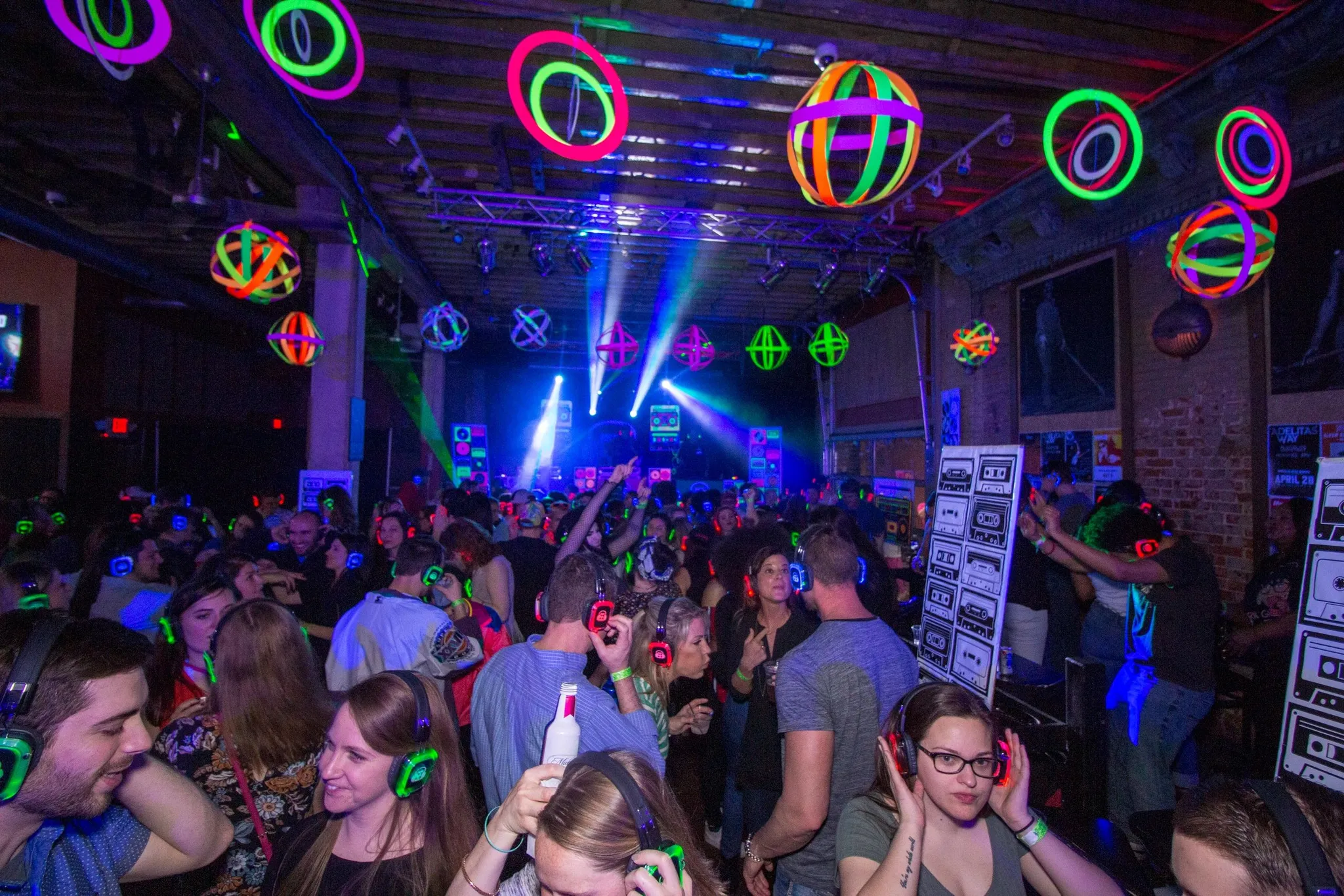
One channel keeps the event simple. Two channels let guests switch between styles or between a DJ and a playlist. Three channels create the full color-coded experience and can separate clean music, genre choices, announcements, or multiple DJs. Each channel needs its own music source and transmitter.
3. Confirm the venue setup
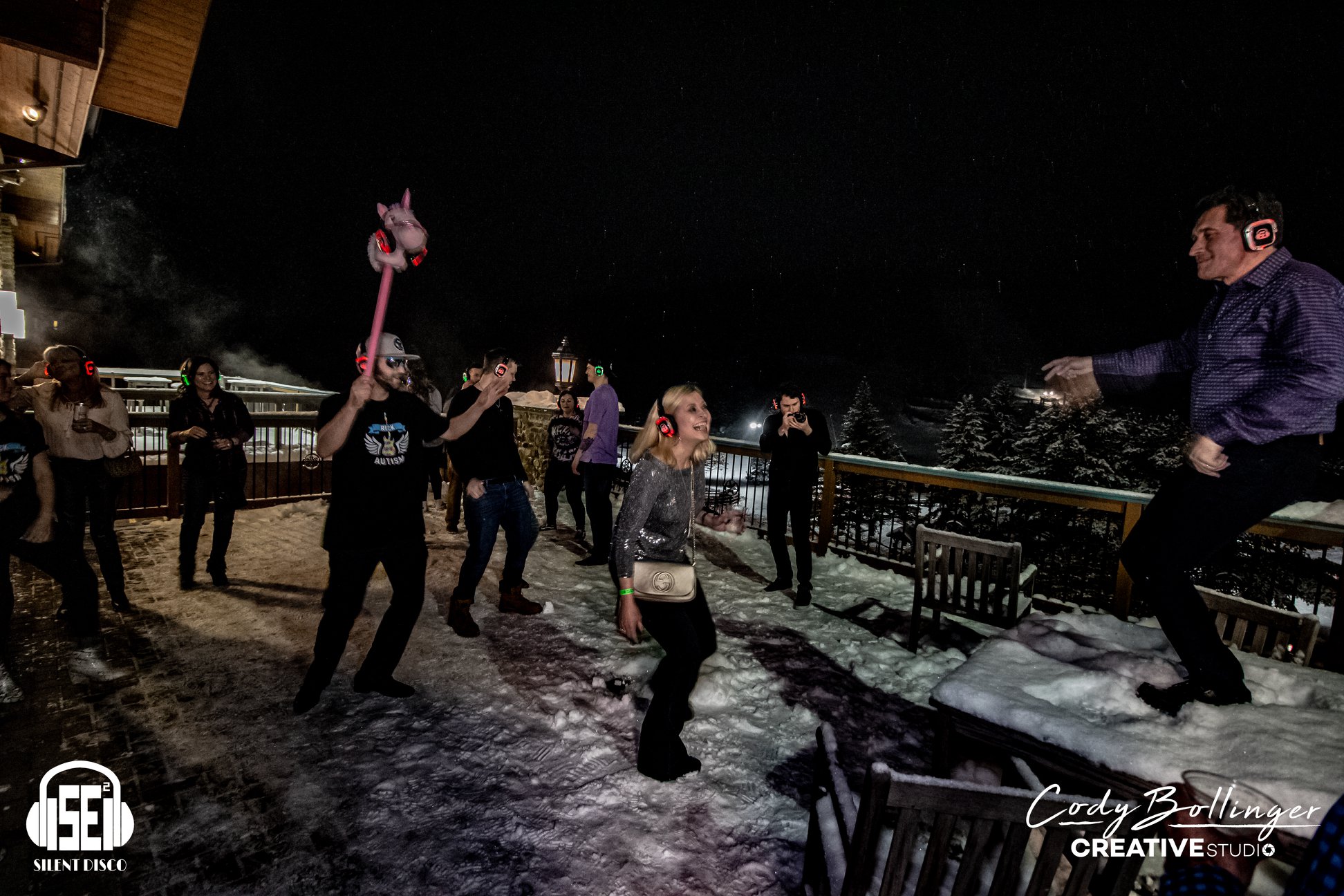
Walk the room before event day and confirm power, a dry transmitter location, tables, DJ space, arrival access, and the route for equipment load-in. For outdoor events, protect transmitters and music devices from weather and keep the handout area well lit. Ask the venue about sound, curfew, security, and guest-flow rules even though the main audio stays in the headphones.
4. Build the music and staffing plan
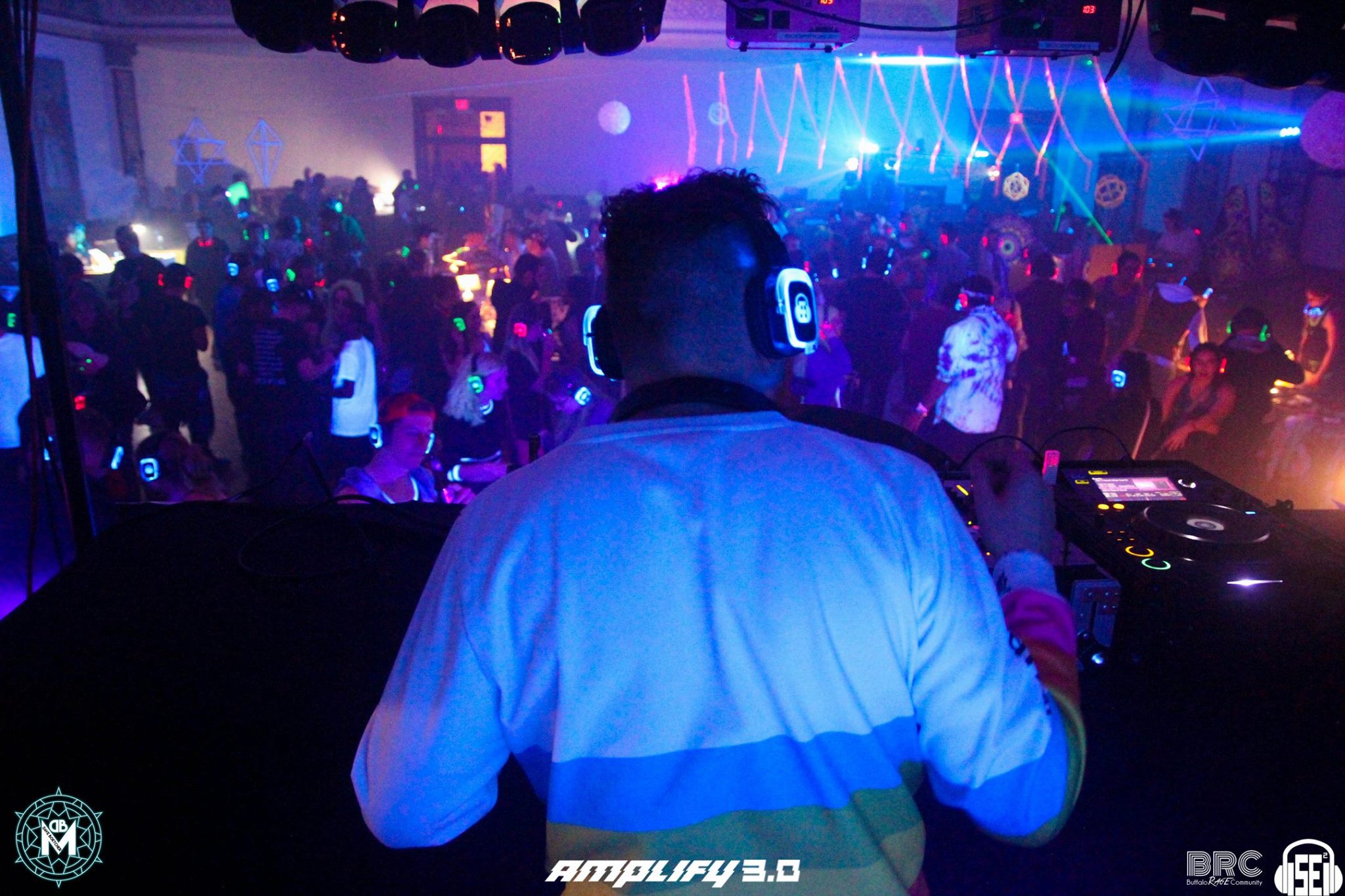
Choose DJs, prepared playlists, or a mix. Test every source, cable, adapter, and channel before doors open. Assign one person to monitor the equipment and one clear contact for the venue. For larger events, separate the check-in and return roles so guests are not waiting in one long line.
5. Create an event-day timeline
- 60–90 minutes before guests: load in, place transmitters, and test every channel.
- 30–45 minutes before guests: stage charged headphones by channel and brief staff.
- At arrival: show guests power, volume, and channel controls in one quick demonstration.
- During the event: watch battery swaps, channel levels, and the return area.
- At close: collect and count headphones before vendors leave the venue.
Rental or full-service support
A rental is the leanest path when your team can handle music sources, setup, guest instructions, and returns. A full-service package is better when you want SE2 to coordinate DJs, staff, lighting, channel flow, troubleshooting, and the guest experience. Compare both options before assuming equipment-only is the best fit.
Buffalo and Rochester planning notes
Buffalo, Rochester, and Western New York events vary by venue type and season. Beaches, breweries, schools, hotels, backyards, and music halls each need different weather, power, load-in, and staffing plans. Shipped rentals need extra lead time for delivery, testing, and return transit.
Final checklist before you book
Confirm the date, city, venue, indoor or outdoor setup, guest count, headphone quantity, channel count, music sources, DJ needs, power, load-in time, staffing, handout plan, return plan, and a weather backup when needed.
Next step
Send SE2 the date, city, venue, expected guest count, age range, channel count, and whether you want rental-only or full-service support. That gives the team enough context to recommend the right equipment and event plan.
Plan your silent disco
- Silent disco packages
- Silent disco rentals
- Upcoming public events
- Buffalo silent disco planning
- Rochester silent disco planning
Frequently asked questions
What do you need to host a silent disco?
You need enough headphones for guests, one or more music sources, transmitters, power, a clear setup spot, and a plan for guest instructions and returns.
Can a silent disco work for private parties?
Yes. Silent disco works for birthdays, weddings, fundraisers, company events, schools, festivals, and venues with sound limits.
How do I find a silent disco near me?
Start with a local silent disco company that lists real events, rentals, reviews, and service areas. SE2 serves Buffalo, Rochester, Western New York, and shipped rental events when timing and inventory allow.
Should I rent headphones or book a package?
Rent when you can run the music and setup yourself. Book a package when you want SE2 to help with staff, DJ needs, event flow, and guest experience.