A silent disco works by sending music from one or more DJs or audio sources to wireless headphones through a transmitter. For planning purposes, start with the guest count: if 100 people will attend, request at least 100 working headsets plus a small operational cushion, then confirm whether you need one, two, or three music channels. That equipment decision affects the quote, staffing, setup time, and guest experience.
For hosts in Buffalo, Rochester, and across Western New York, a silent disco is not simply a party with headphones. It is a coordinated audio system with a clear signal path, charged equipment, channel management, and a venue plan. Once you understand those moving parts, it becomes much easier to compare a full-service production with a pickup rental or shipped rental.
What is a silent disco?
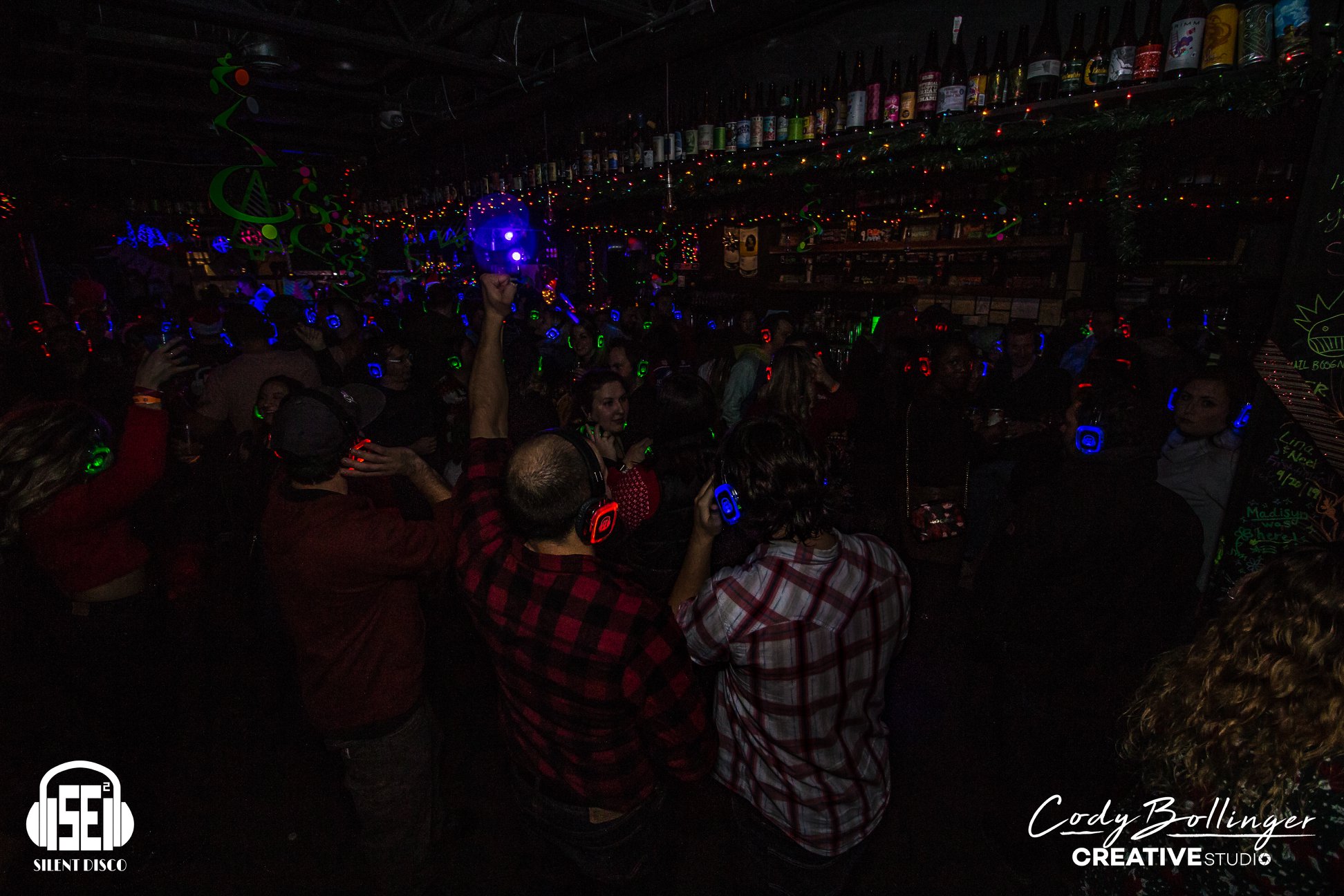
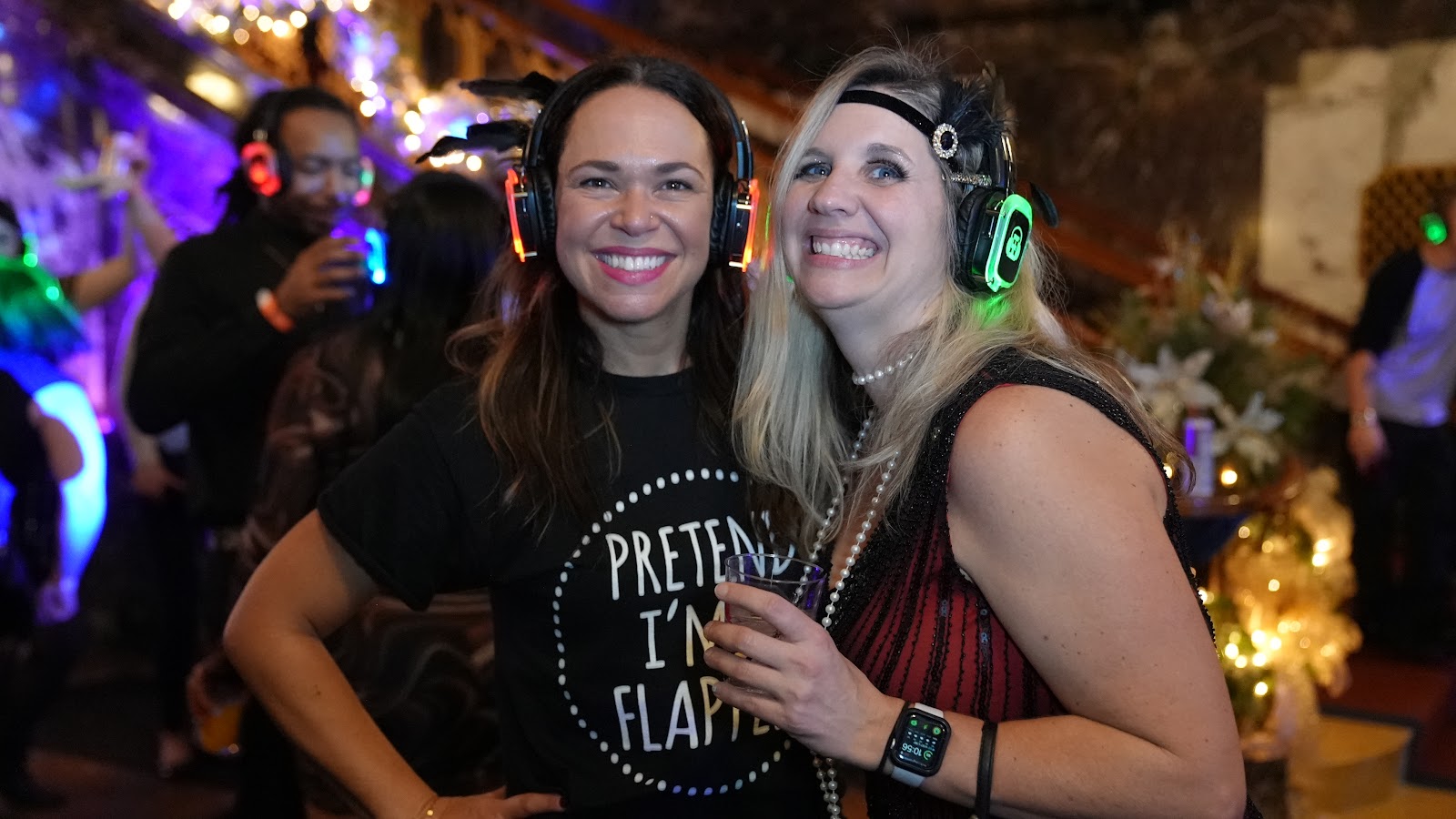
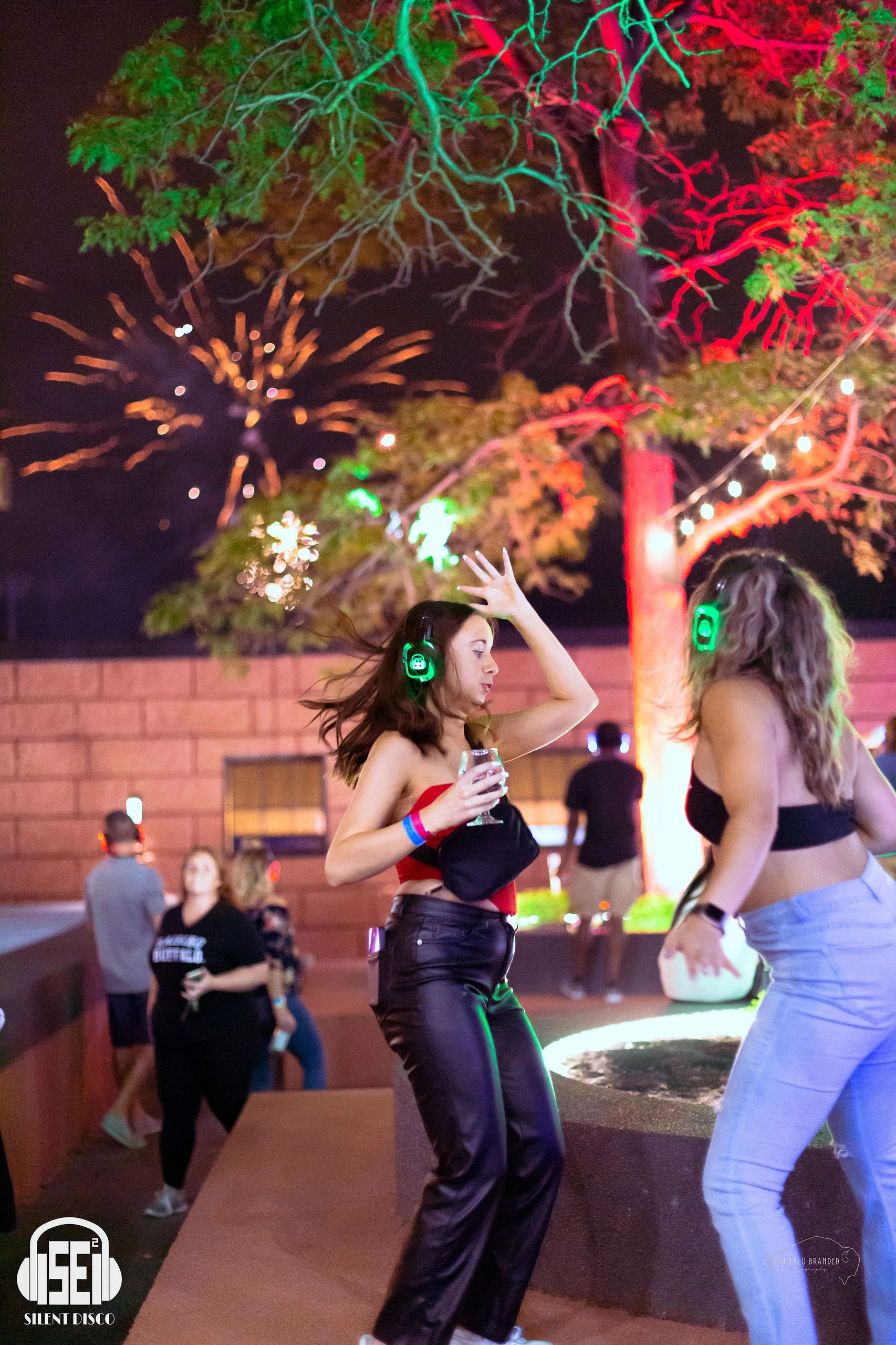
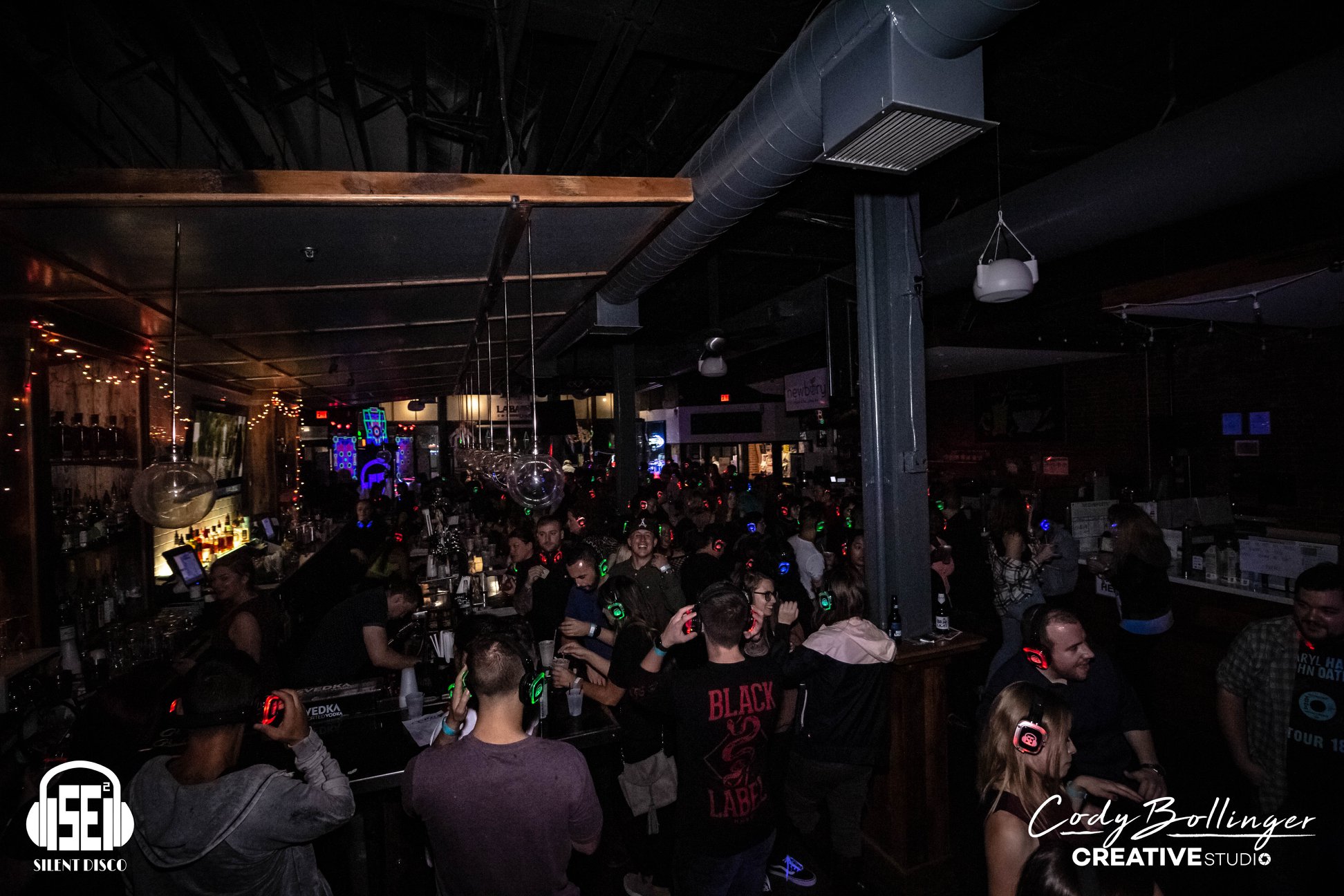
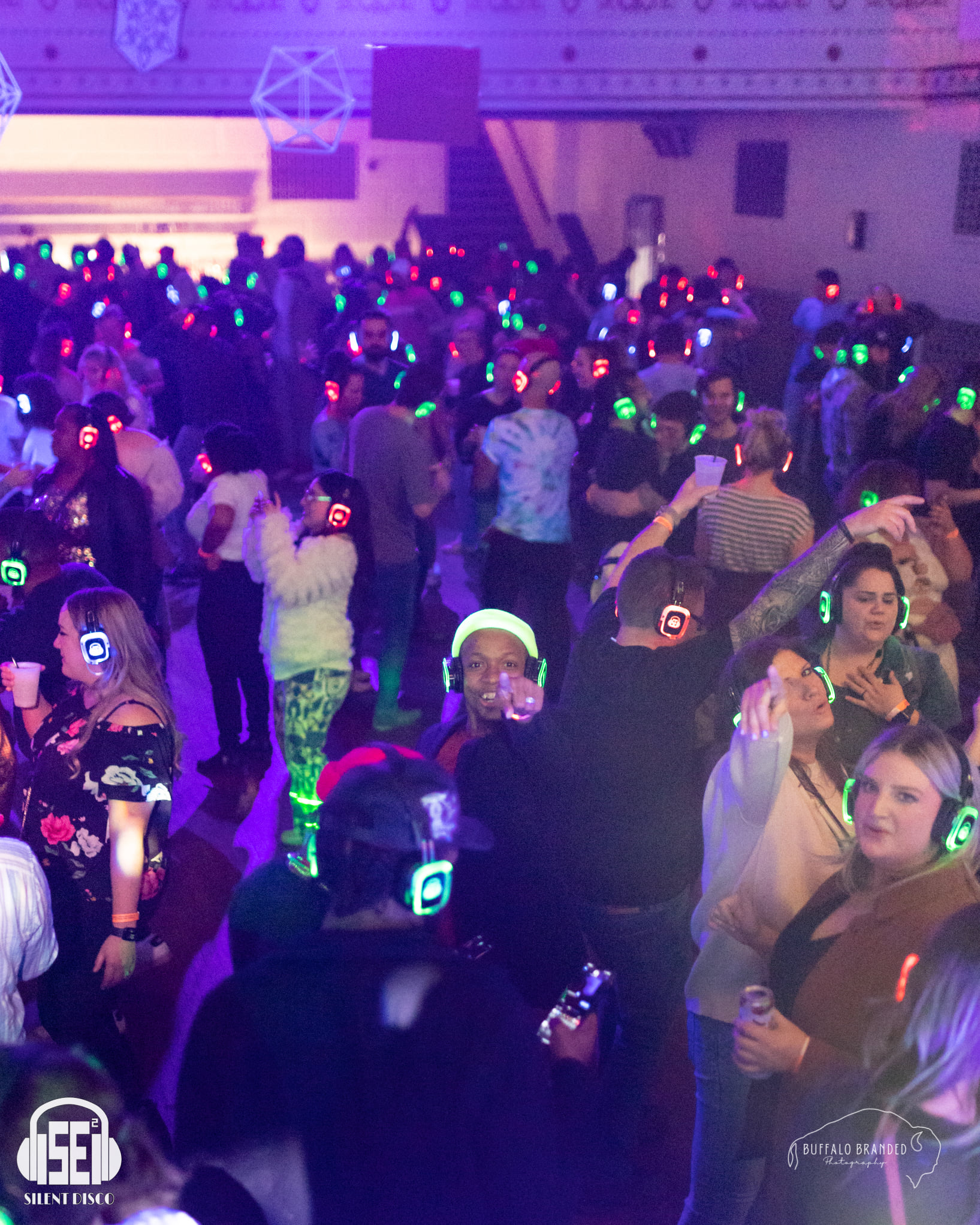
A silent disco is an event where guests listen to music through wireless headphones instead of a conventional loudspeaker system. Each headset receives audio from a nearby silent disco transmitter. Guests can usually adjust volume and select among available channels using controls on the headphones.
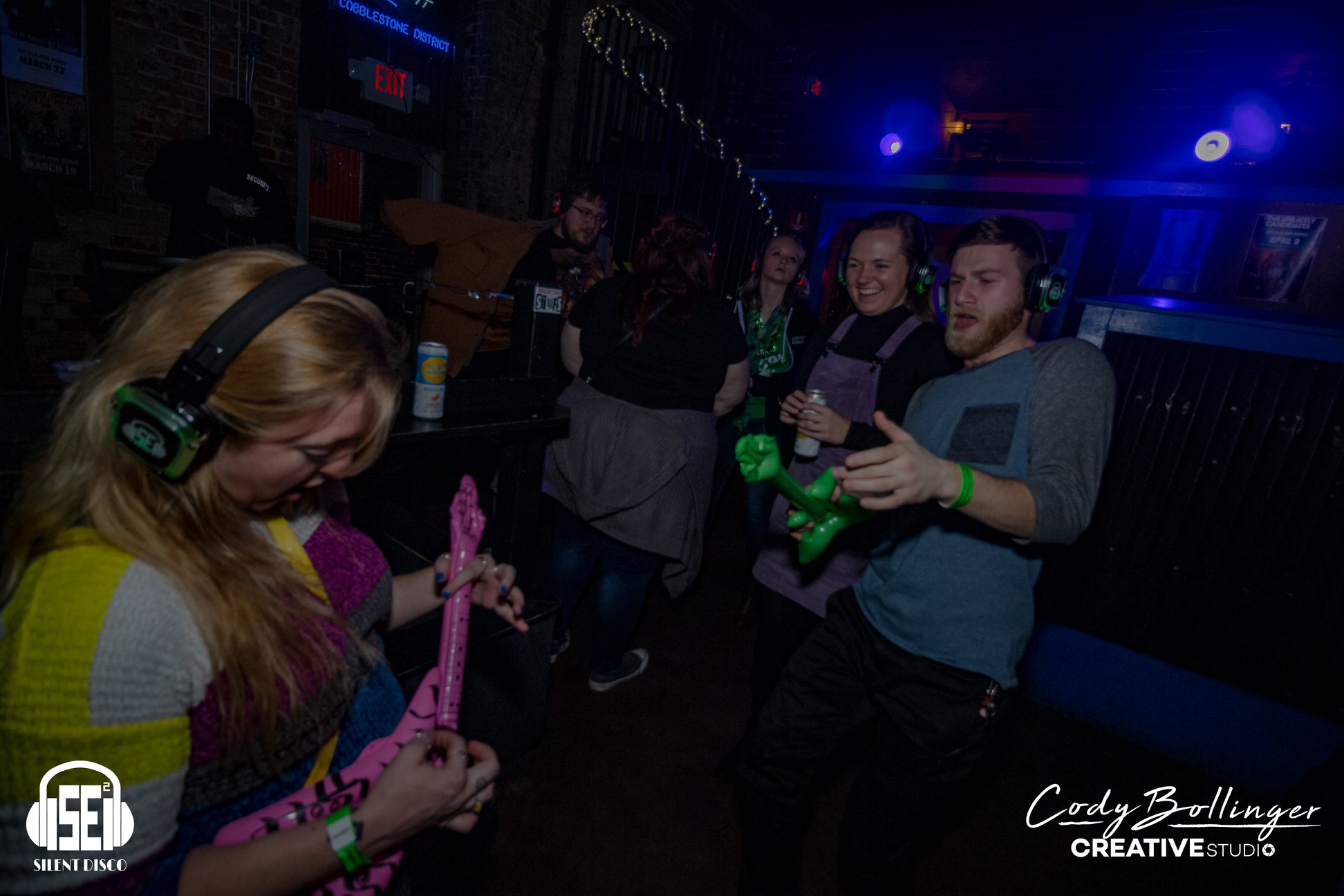
The room is not necessarily silent. You may hear conversations, laughter, dancing, and the occasional cheer, but the music itself is primarily in the headphones. That makes a silent party useful when a venue has sound restrictions, when several groups want different music, or when the host wants people to move between dancing and conversation without competing with a loud PA system.
The format works for corporate events, private parties, weddings, schools, fundraisers, festivals, and custom productions. It can also work for a conference breakout, fitness session, movie night, or community program when separate audio delivery is more practical than room-filling speakers.
How do silent disco headphones work?
Silent disco headphones are purpose-built wireless receivers. The basic process looks like this:
- A DJ, mixer, phone, laptop, or other audio source provides the music.
- The source connects to a silent disco transmitter.
- The transmitter broadcasts the audio over its supported wireless frequency.
- Guests turn on their headphones and select the matching channel.
- Headphone LEDs may indicate the selected channel, battery status, or signal connection.
This is different from handing every guest a Bluetooth headset. In a coordinated silent disco system, the transmitter is designed to serve many receivers at once and maintain a consistent event-wide channel. The headphones are normally distributed, collected, charged, tested, and counted as event equipment rather than treated like personal consumer earbuds.
Do silent discos use Bluetooth? Usually, no. Many professional silent disco systems use dedicated radio-frequency transmission rather than Bluetooth because the system needs reliable one-to-many distribution over an event area. Bluetooth can be useful for some individual audio connections, but it is not the standard solution for sending several live DJ channels to a large group of guests.
What does the silent disco DJ setup include?
A basic silent disco DJ setup includes headphones, at least one transmitter, an audio source, charging equipment, and the cables or adapters needed to connect the source. A full-service setup may also include a DJ, sound-control equipment, a technician, delivery, setup, teardown, channel signage, and lighting.
A transmitter is the control point between the music and the headphones. With multiple transmitters or a multi-channel system, guests can choose different audio feeds. For example, a corporate event might offer a current dance channel, a throwback channel, and a host-controlled channel for announcements or a team activity. The exact channel capacity depends on the equipment and production plan, so confirm it before advertising a specific number.
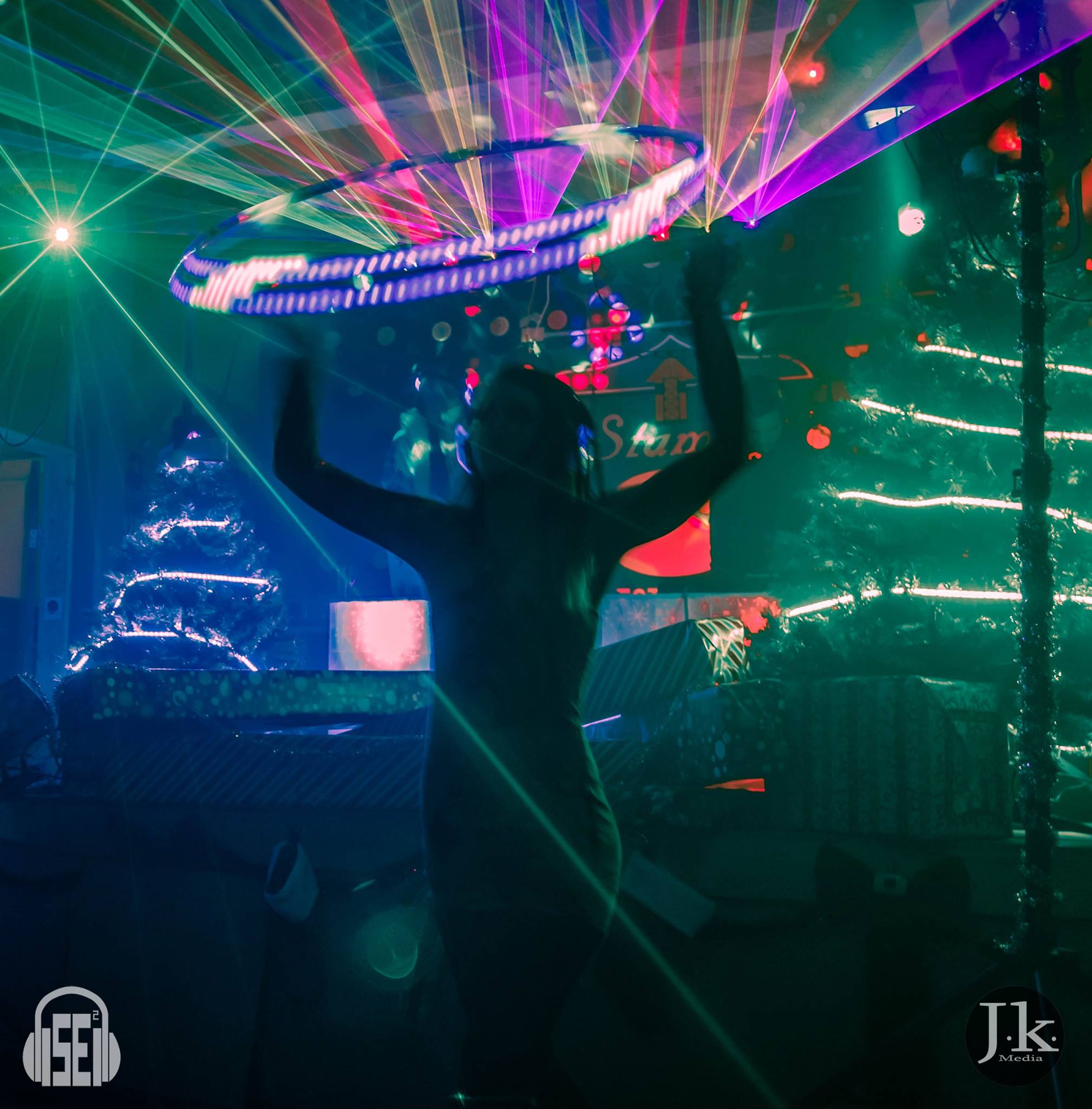
Can a silent disco include a DJ and lights? Yes. A DJ can perform normally through the connected audio system, while guests hear the mix through their headphones. Lighting can be added separately, including dance lighting or other production elements. Lights are not required for the headphones to work, but they can make channel switching easier to understand and give the room a stronger visual identity.
For a Buffalo or Rochester corporate event, the practical tradeoff is control versus simplicity. A self-managed playlist may reduce staffing needs, but a live DJ can balance channels, respond to the room, manage transitions, and keep the event moving. If the event includes speeches, awards, or timed activities, ask how those audio moments will be handled rather than treating music as the only signal.
How many channels should you plan for?
Silent disco multiple channels give guests choice, but more choice also creates more planning responsibility. One channel is the simplest option and works when everyone should hear the same program. Two channels can separate different music styles or divide a dance experience from a low-key option. Three channels provide the most flexibility commonly used for parties, campus programs, and larger productions, but they require clearer labeling and stronger content planning.
Can guests switch between DJs or music channels? Yes, when the equipment is configured for multiple channels. Guests typically press a channel button or turn a selector on the headset. Switching is personal and immediate; the rest of the room does not hear the change.
A useful planning calculation is to estimate channel demand before requesting a quote. If 120 guests are expected and you want three equal music options, plan around 40 likely listeners per channel as a starting assumption—not as a guarantee. The actual split will change throughout the night, so each channel must be available to the full headset inventory. Do not order 40 headsets for each channel unless your provider specifically confirms that configuration; most systems let each headset tune into any offered channel.
The real question is not “How many channels can the headphones have?” It is “How many channels will improve this event?” For a focused corporate celebration, two well-managed channels may be better than three underdeveloped playlists. For a student or public event, three channels may create more discovery and participation.
How loud are silent disco headphones, and can people talk?
Silent disco headphones can deliver a strong personal listening level, but guests control the volume. A responsible setup includes instructions to keep listening comfortable and avoid unnecessarily high volume. The provider should also explain how the equipment is cleaned, checked, and distributed.
Can people talk while wearing silent disco headphones? Yes, although conversation is easier when guests lower the volume or remove one ear cup. Because the room is not filled with loud music, people can generally move between dancing, networking, and conversation more easily than at a traditional amplified dance party. For corporate events, that flexibility is one of the main advantages: attendees can participate without being separated from colleagues for the entire program.
Venue logistics still matter. Confirm access, power, setup space, floor layout, lighting restrictions, noise rules, outdoor contingency plans, and where guests will receive and return headsets. A silent event reduces music spill, but it does not eliminate venue policies or the need for safe crowd movement.
What is included in a silent disco rental?
A silent disco rental can mean very different things, so compare the scope rather than only the equipment count. Possible inclusions are:
- Wireless headphones and spare units
- One or more silent disco transmitters
- Chargers, cases, cables, and adapters
- Delivery, pickup, setup, and teardown
- Equipment testing and an on-site orientation
- DJ services or audio-source support
- Lighting and production equipment
- Channel labels, playlist coordination, and guest instructions
- A technician or event manager
SE2 Silent Disco supports local service in Buffalo, Rochester, and Western New York, as well as shipped rentals where the event plan is suitable. Final quotes depend on guest count, date, venue, travel, shipping, staffing, DJ support, lighting, and channel needs. A pickup-and-drop-off arrangement may be appropriate for some organized hosts, while a staffed production is usually the better fit when timing, multiple channels, lighting, or public-facing operations are involved.
Before asking for a quote, prepare this checklist:
- Expected attendance and whether every guest needs a headset
- Event location, access hours, indoor or outdoor status, and venue restrictions
- Event start time, end time, setup window, and teardown deadline
- Number of desired music channels
- Whether you are supplying a DJ, playlist, or other audio source
- Need for lighting, announcements, microphones, or technical staffing
- Delivery, pickup, or shipped-rental preference
- Backup plan for weather or equipment collection
One practical customer question to ask is: “Can we pick them up and drop them off like last time?” If self-service logistics are important, confirm the equipment handoff, charging expectations, return count, damage policy, and troubleshooting support before booking. The answer may change which rental format is appropriate.
Is a silent disco right for your event?
Choose a silent disco when you want multiple music choices, lower music spill, flexible conversation, or an unusual shared experience. It is especially useful for corporate team building, wedding after-parties, school and college programs, fundraisers, festivals, and private celebrations.
The main tradeoffs are straightforward. Guests must wear and manage headsets. The host must plan distribution and collection. A multi-channel format requires more content coordination than a single playlist. A full DJ and lighting production costs more than a basic equipment rental because it adds labor, creative control, and technical responsibility. Shipped rentals can expand service beyond the local area, but they require careful timing and an organized person on site.
If you are comparing silent disco rentals near me in Buffalo or Rochester, look for clarity about the equipment, channel count, support level, venue requirements, and quote factors. Start with SE2’s silent disco packages, review headphone rental options, or request a silent disco quote. For a corporate-specific planning path, see corporate silent disco events.
Plan your silent disco
- Get a silent disco quote
- Silent disco packages
- Silent disco headphone rentals
- Corporate silent disco events
- Buffalo silent disco events
- Custom silent disco production
Frequently asked questions
What is a silent disco?
A silent disco is an event where guests hear music through wireless headphones instead of room-filling speakers. Guests may choose among separate audio channels while people nearby hear only normal conversation and event noise.
How do silent disco headphones work?
A DJ or audio source sends music to a silent disco transmitter. The transmitter broadcasts the signal to compatible wireless headphones, and guests select the available channel using controls on each headset.
Do silent discos use Bluetooth?
Professional silent disco systems generally use dedicated wireless transmission rather than Bluetooth. This supports one-to-many audio distribution and multiple channels across an event space.
How many channels can silent disco headphones have?
The channel count depends on the system and production configuration. One channel is simplest, while two or three channels can support different music styles, DJs, or program feeds.
Can guests switch between DJs or music channels?
Yes. When multiple channels are configured, guests can usually switch between them directly on their headphones without changing what anyone else hears.
Can a silent disco include a DJ and lights?
Yes. A DJ can perform through the transmitter system, and lighting can be added as a separate production element. Confirm whether DJ support, lighting, setup, and staffing are included in the quote.
How loud are silent disco headphones?
Guests control the headphone volume. They can be loud enough for personal listening, so hosts should provide comfortable-listening guidance and choose a provider that handles equipment responsibly.
Can people talk while wearing silent disco headphones?
Yes. Guests can talk, lower the volume, or remove one ear cup. Since the room is not filled with amplified music, conversation is often easier than at a traditional dance event.