
Give every channel a clear job
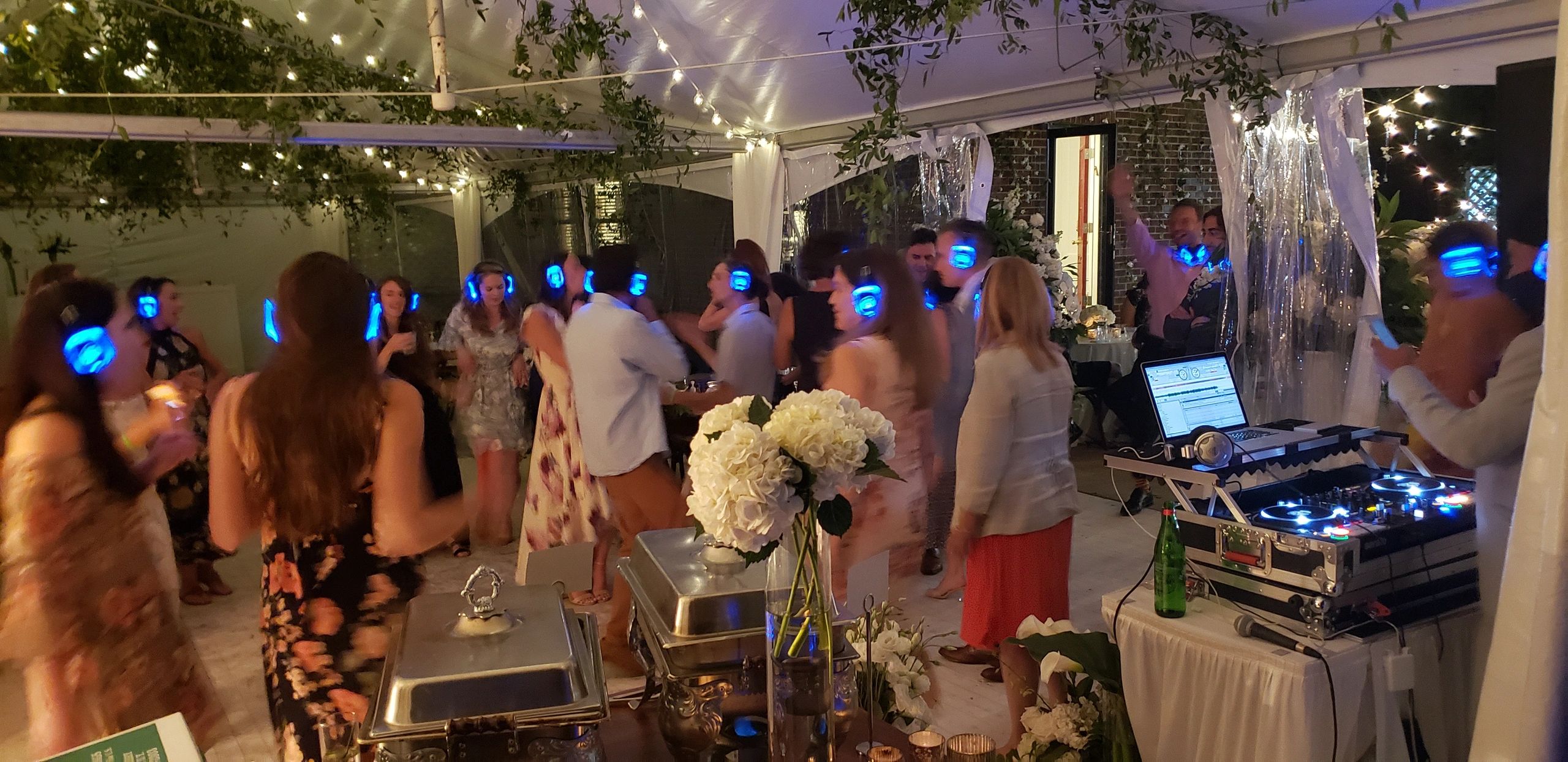
Three channels are useful when guests want different music at the same time. Start with an audience decision, not three nearly identical playlists. For a mixed-age celebration, one possible plan is current dance music, familiar sing-alongs, and older favorites. Those are planning examples, not a promise about the lineup at a particular event.
Write a short description for each channel and share it with the DJs or playlist operators. Define any explicit-content restrictions, requests policy, and songs reserved for a shared moment. A channel can change style during the night, but guests need to know when that happens.
Match the music plan to the equipment
On the SE2 setup described in our transmitter guide, three independent channels require three audio sources and three transmitters. Three playlists on one device are not automatically three separate outputs. Confirm the source devices, audio connections, power, and operator for each feed before ordering equipment.
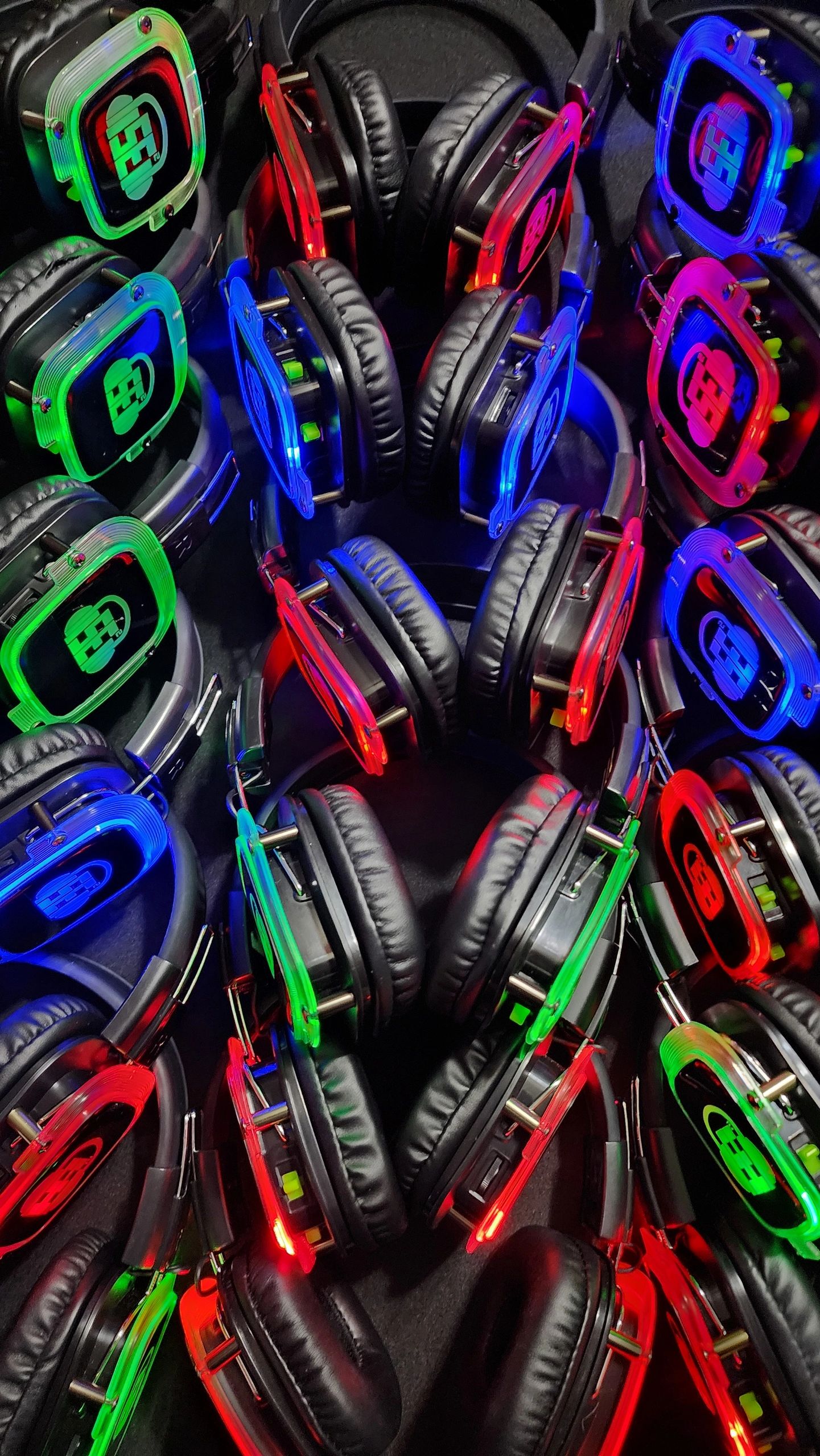
Test each source through an actual pair of headphones. Check the channel color, the music that reaches it, and the sound level. Then try several headphones around the intended listening area. Keep a simple channel chart at check-in so staff can explain the choices without guessing.
Coordinate moments that everyone needs to hear
Guests on different channels will not necessarily hear the same announcement. Agree on how staff will get attention and whether all sources will carry a scheduled message. Keep emergency communication under the venue's normal procedures.
During the event, look for confusion rather than assuming the most popular color is the only successful channel. A smaller group enjoying its own style is part of the point. For equipment quantities and staffing options, compare rentals with hosted packages.