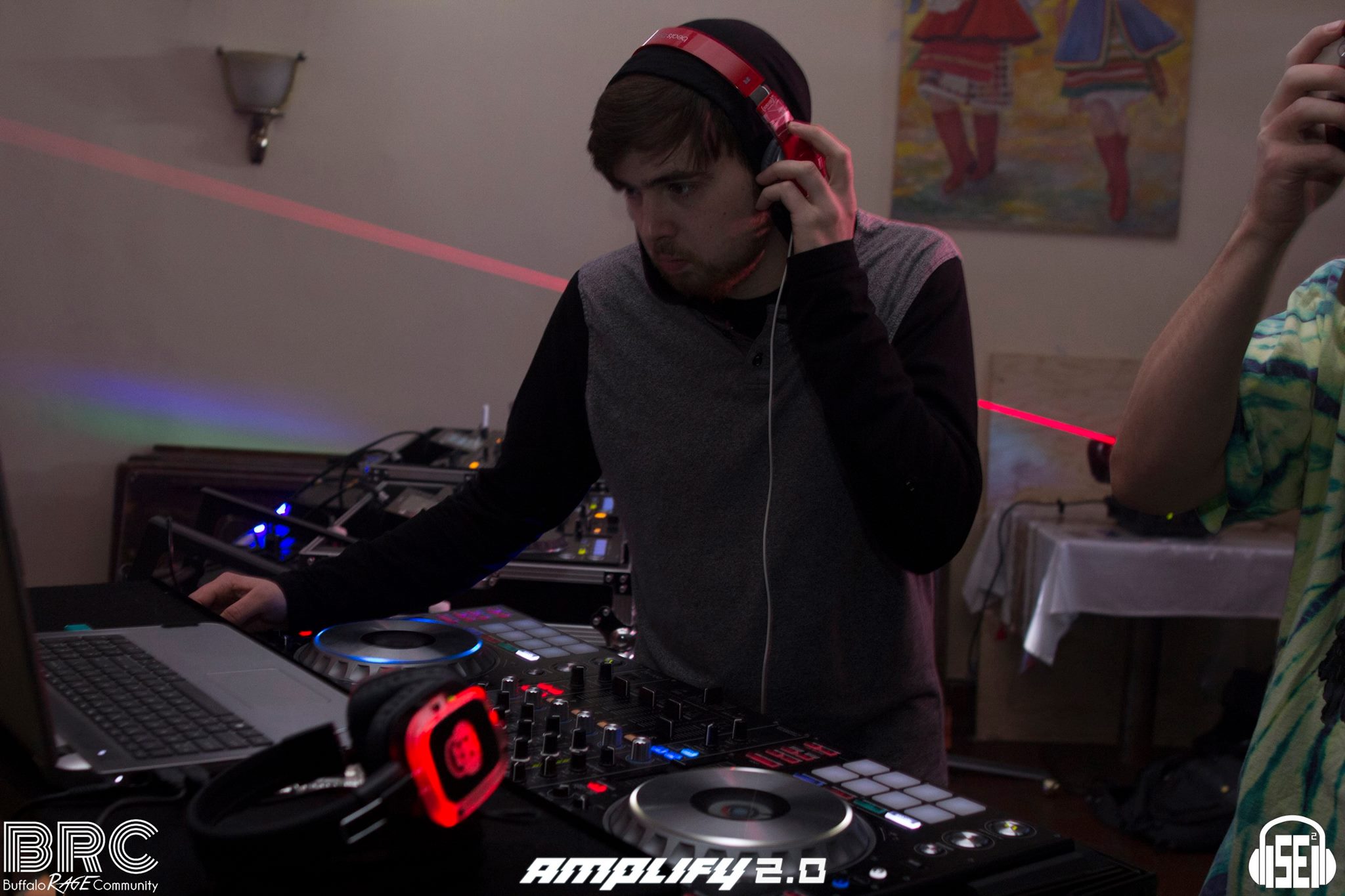
A Buffalo wedding venue will often allow a silent disco after-party, but you should confirm four details before booking: the venue’s music cutoff, available setup space, power access, and who handles distribution and teardown. For a typical wedding, plan for a clear dance area, one small equipment table, and enough service time to fit setup around the venue’s final reception schedule.
What Buffalo venues usually need to approve
A silent disco is not automatically exempt from venue rules. The headphones reduce amplified sound in the room, but the venue still needs to approve the activity, equipment, guest movement, staffing, and end-of-night plan.
Ask the venue or coordinator these questions:
- Is a silent disco allowed during the reception or as a wedding after-party?
- Does the venue enforce a hard music or event cutoff?
- Can guests remain in the room after dinner service ends?
- Is there a preferred load-in entrance, elevator, or vendor check-in process?
- Can SE2 place a transmitter, DJ table, chargers, or lighting near the dance area?
- Does the venue require event insurance, a certificate of insurance, or an approved vendor agreement?
- Who is responsible for collecting headphones and checking the final count?
Buffalo venues vary widely. A downtown ballroom, brewery, hotel, barn, and private event space may have different rules for loading, sound, late-night access, and neighboring rooms. In Rochester and throughout Western New York, the same approval process applies: treat the silent disco as a staffed production element, not simply a box of headphones.
Does a silent disco need a dance floor or special room?
No special room is required, and a permanent dance floor is helpful but not mandatory. A silent disco works in a ballroom, brewery, tent, patio, barn, lounge, or cleared section of a reception room. The best setup gives guests a visible place to gather, enough room to move safely, and a direct path to receive and return headphones.
The main tradeoff is atmosphere versus operating space. A compact setup preserves more tables and seating, while a larger dance area gives guests room to move and makes lighting more effective. For a wedding after-party, the existing dance floor is usually the most efficient choice. If the venue is converting the room after dinner, confirm whether tables, chairs, bars, or décor will move before the silent disco begins.
SE2 generally needs:
- A stable table or small production footprint for transmitters and charging equipment.
- A safe location for the DJ or channel controller.
- Clear access for headphone pickup and return.
- A dance area that does not block exits, service corridors, or emergency equipment.
- Optional lighting positions that do not interfere with sprinklers, low ceilings, or venue décor.
If you are comparing formats, a silent disco is more flexible than a conventional dance party because the venue does not need to dedicate the entire room to loudspeaker coverage. The tradeoff is that guests need a short orientation, and the headphone handoff must be organized.
How much space and power should you plan?
Space depends more on guest flow than on the equipment itself. Headphones take little room when stored, but pickup and return can create a line if every guest is served at once. For a wedding, place distribution near the entrance to the after-party area or beside the DJ, but not where it narrows an exit.
A useful planning calculation is to estimate three zones: the dance area, the equipment table, and the circulation area. If 100 guests may participate, do not plan only for 100 people standing shoulder to shoulder. Some guests will dance, some will watch, and others will move between the bar, restroom, patio, and room. Your venue coordinator can identify the legal occupancy limit and the best usable footprint.
Power requirements are usually straightforward. The headphones are rechargeable, while the transmitter, DJ equipment, and lighting may need standard electrical outlets. Confirm:
- Where the nearest outlets are located.
- Whether outlets are shared with catering, refrigeration, or venue production.
- Whether extension cords or cable covers are permitted.
- Whether the venue supplies power or expects the vendor to bring distribution equipment.
- Whether lighting, lasers, haze, or fog effects require separate approval.
A headphone-only rental has a smaller production footprint. Adding a DJ, professional lighting, lasers, UV fixtures, or haze increases the need for power, placement, clearance, and venue coordination. That is where a lower-equipment package can be simpler, while a fuller production package creates a stronger late-night atmosphere.
Does a silent disco create noise for neighbors?
A silent disco dramatically reduces room sound because music is delivered through headphones instead of large speakers. It does not make an event completely silent. Guests still talk, laugh, sing along, move chairs, and enter or leave the room. A DJ may also use a monitor or small control setup depending on the production plan.
That distinction matters for Buffalo wedding venues with nearby hotel rooms, apartments, offices, or another event space. Silent disco can help satisfy silent disco noise restrictions and late-night sound concerns, but it does not override the venue’s cutoff or occupancy rules.
For the cleanest approval:
- Tell the venue exactly where the after-party will operate.
- Ask whether doors must remain closed after a certain time.
- Keep the dance area away from shared walls when possible.
- Avoid unnecessary speaker use.
- Confirm how guests will exit and where rideshare pickup will occur.
The practical benefit is control. A venue can reduce the amount of sound traveling through the building while still giving guests multiple music channels and a real dance experience.
Can it continue after the venue’s normal music cutoff?
Sometimes, but only with venue approval. A silent disco is not a loophole for breaking a property’s event-end, occupancy, alcohol-service, security, or guest-departure rules. Some venues may allow headphones after conventional music ends; others may require the entire event to conclude at the same time.
Ask for the rule in writing through the coordinator or contract. Confirm the difference between a music cutoff and a full building shutdown. You may also need to clarify when the bar closes, when guests must leave, and how much time vendors receive for teardown.
For wedding couples, this is one of the most important planning decisions. If the venue permits a later headphone-based after-party, you may gain extra dancing without the volume of a standard DJ system. If it does not, schedule the silent disco as the final portion of the reception rather than assuming it can extend the night.
Who handles headphones, channels, setup, and teardown?
Assign ownership before the wedding day. SE2 can coordinate the equipment plan, channel setup, distribution process, and return procedure based on the selected service. The venue still controls property access, house rules, and building operations. The couple, planner, DJ, and venue coordinator should agree on responsibilities in advance.
A typical handoff looks like this:
- The venue confirms load-in, placement, power, and end time.
- SE2 arrives with the agreed equipment and tests the transmitter and headphones.
- The DJ or designated operator confirms channel assignments and music sources.
- A staff member explains the headphone controls and helps guests choose a channel.
- Guests return headphones to the designated collection point.
- SE2 counts, packs, and removes the equipment during the approved teardown window.
Some customers prefer a pickup-and-drop-off arrangement, while others want staffed service. Self-managed pickup can reduce staffing needs, but it puts more responsibility on the planner or host for transport, charging, distribution, returns, and equipment accountability. Staffed service costs more because it includes labor, but it usually creates a smoother guest experience and a cleaner venue close.
SE2 can also provide DJ, lighting, channel, and other production support depending on the package. If you already have a wedding DJ, ask whether that DJ will control the channels or whether SE2 should provide an operator. Both approaches can work; the right choice depends on the DJ’s equipment, channel experience, and agreement with the venue.
Choosing the right rental or production package
Compare packages by responsibility, not just by headphone count. A basic silent disco headphone rental may suit a couple with an experienced DJ, a simple room, and a trusted person managing returns. A staffed package is a better fit when the venue has strict access rules, the guest count is large, or the planner wants one vendor accountable for the operating details.
Consider these factors when requesting a quote:
- Expected guest count and likely participation.
- Wedding date and availability.
- Buffalo, Rochester, or other Western New York travel requirements.
- Venue access, load-in, parking, and teardown timing.
- Number of music channels.
- Whether you provide the DJ or need DJ support.
- Lighting, lasers, haze, or other production needs.
- Staffing for distribution and collection.
- Pickup, delivery, or shipped rentals.
Final quotes depend on guest count, date, venue, travel, shipping, staffing, DJ support, lighting, and channel needs. There is no useful one-size-fits-all price without those details. Review SE2’s silent disco packages, compare them with headphone rental options, or request a quote with the venue information ready.
Buffalo wedding planning checklist
Before you book, send the venue and vendor team a short operating brief containing:
- Event address and room name.
- Estimated guest count and expected headphone count.
- Planned start and end time.
- Music cutoff and building-close time.
- Equipment table and dance-area location.
- Outlet locations and cable-routing rules.
- DJ, lighting, haze, and channel responsibilities.
- Pickup, delivery, or staffed-service plan.
- Headphone return location and final count procedure.
- Teardown access and vehicle parking instructions.
This brief prevents the most common problems: discovering too late that the venue closes earlier than expected, placing distribution in an exit path, assuming the wedding DJ will run three channels, or leaving too little time for teardown.
For couples still comparing Buffalo wedding after-party ideas, the strongest reason to choose a silent disco is control. You can offer multiple music choices, reduce sound transfer, and adapt to a ballroom, patio, brewery, hotel, or private venue without building a full loudspeaker system. The tradeoff is that success depends on clear roles and a venue-approved operating plan.
If your event is in Rochester, the same checklist applies, with travel, load-in, and venue access confirmed early. SE2 serves Buffalo, Rochester, and Western New York, and can also discuss shipped rentals when local delivery or staffing is not the right fit. For a wedding-specific starting point, review wedding silent disco after-party options or contact SE2 with your venue’s rules and schedule.
Plan your silent disco
- silent disco packages
- headphone rental options
- request a quote
- wedding silent disco after-party options
- contact SE2
- Custom silent disco production
Frequently asked questions
Do Buffalo wedding venues allow silent disco after-parties?
Many do, but approval depends on the venue’s occupancy, music cutoff, room access, power, staffing, and teardown rules. Confirm the plan with the venue coordinator before booking.
Does a silent disco need a dance floor or a special room setup?
No. It can work in a ballroom, patio, barn, brewery, lounge, tent, or cleared reception area. You need a safe dance area, an equipment table, headphone distribution space, and clear exits.
How much space is needed for silent disco headphones and guests?
Headphones require little storage space, but guests need room to move and circulate. Plan for a dance area plus equipment, pickup, return, and access zones, while following the venue’s occupancy limit.
Does a silent disco create noise for nearby rooms or neighbors?
It greatly reduces music traveling through the building, but guests still create conversation and movement noise. The venue’s sound, guest, and closing rules still apply.
Does the venue need power for headphones, transmitters, DJ equipment, or lighting?
The headphones are rechargeable, while transmitters, DJ equipment, chargers, and lighting may need standard outlets. Confirm outlet locations, cable rules, and whether production effects require approval.
Can a silent disco continue after a venue’s normal music cutoff?
Only if the venue specifically allows it. A silent disco does not override building-close, occupancy, alcohol-service, security, or guest-departure rules.
Who handles setup, teardown, channel selection, and headphone distribution?
Responsibilities depend on the package. SE2 can provide equipment, staffing, channel setup, DJ support, lighting, and teardown, while the venue controls property access and house rules.
Can SE2 Silent Disco provide a DJ, lights, or other production support?
Yes. SE2 can discuss DJ support, channel operation, professional lighting, and custom production needs. The final recommendation depends on the venue, guest count, schedule, and desired atmosphere.