If you are planning a school or college silent disco in Buffalo NY, start by confirming your expected attendance, venue layout, event hours, and whether you want SE2 to provide DJs, lighting, staffing, or equipment only. For a 200-person dance, for example, plan for at least 200 working headphones plus a small operational cushion so check-in and replacement needs do not slow the event.
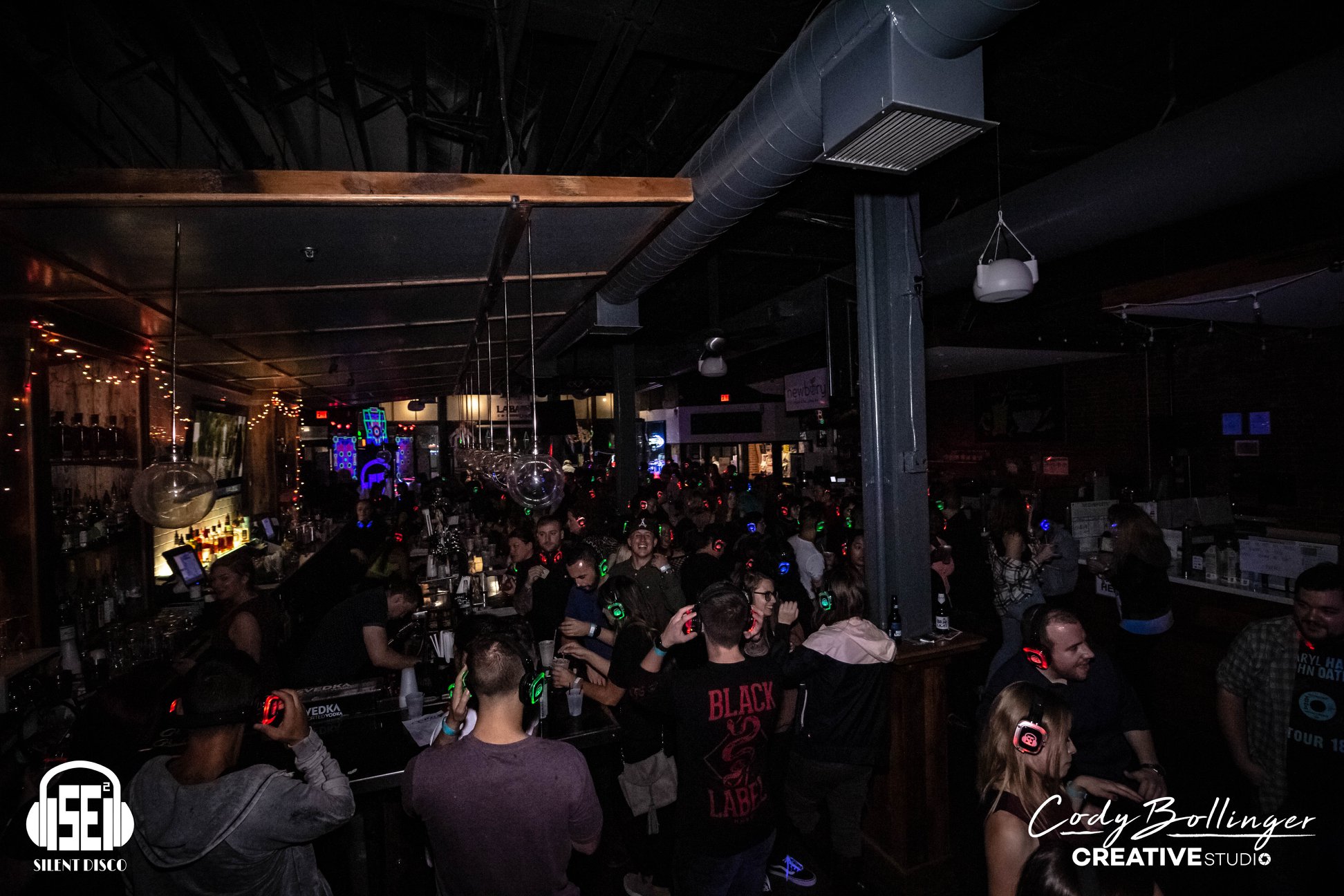
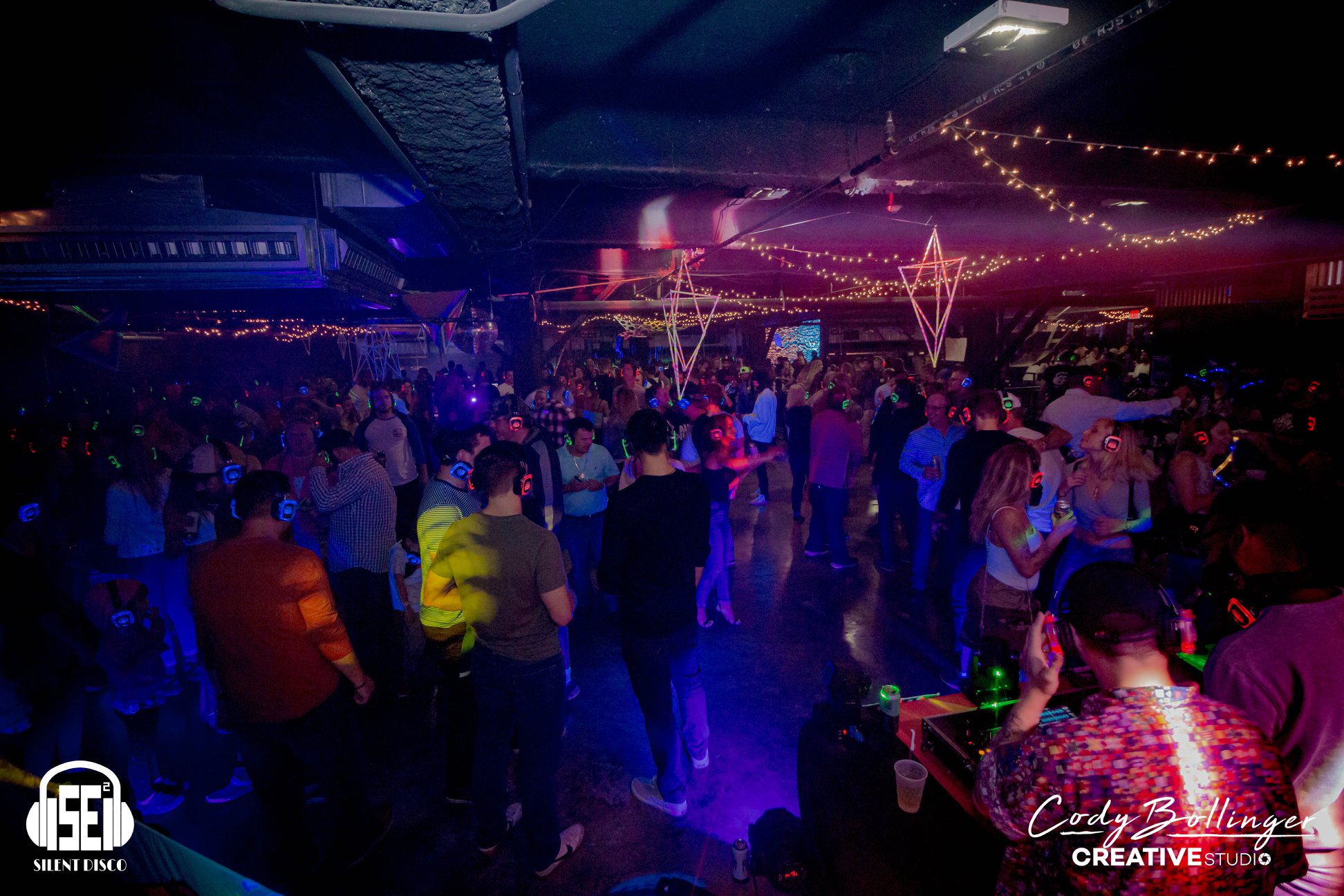
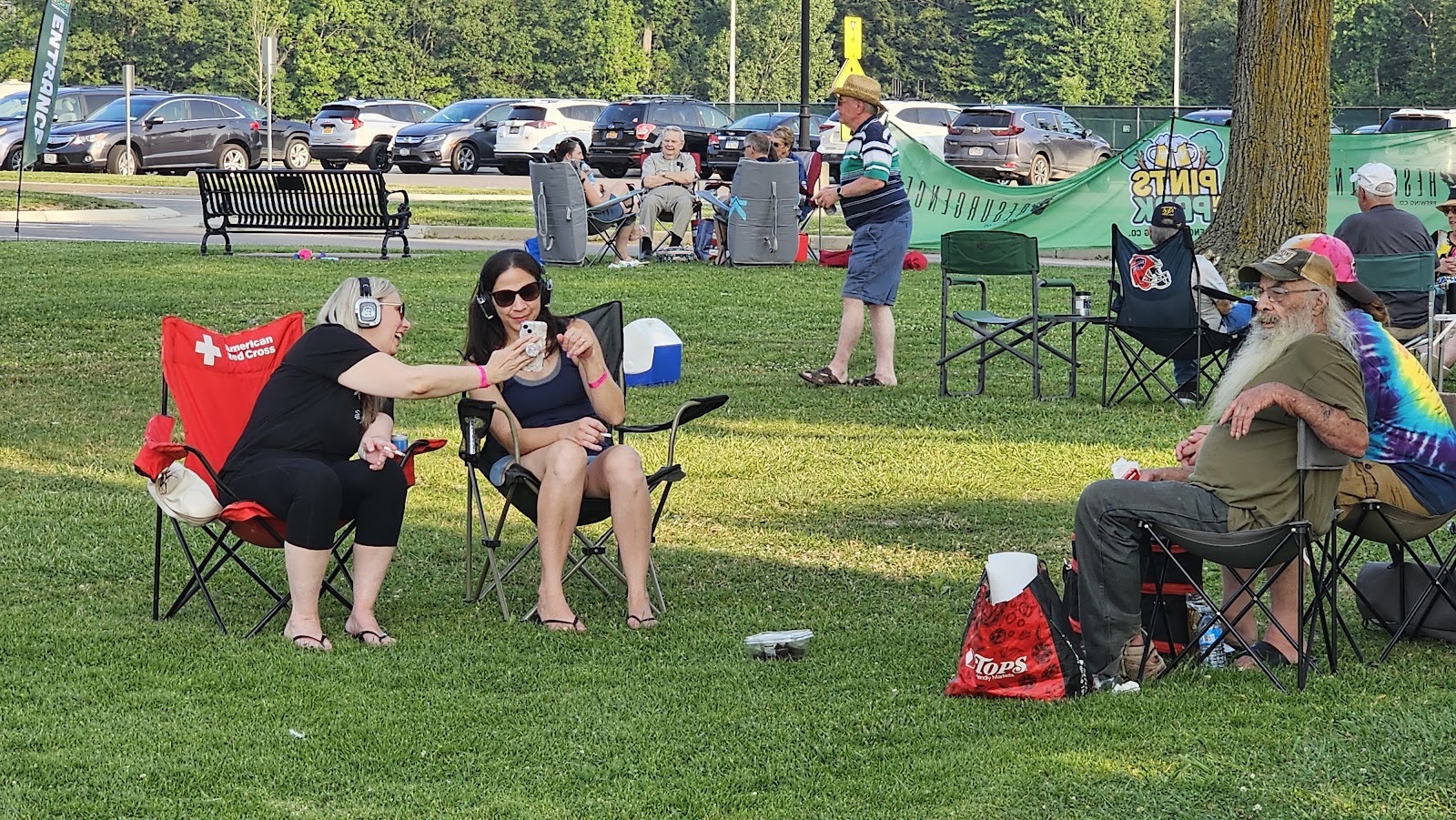
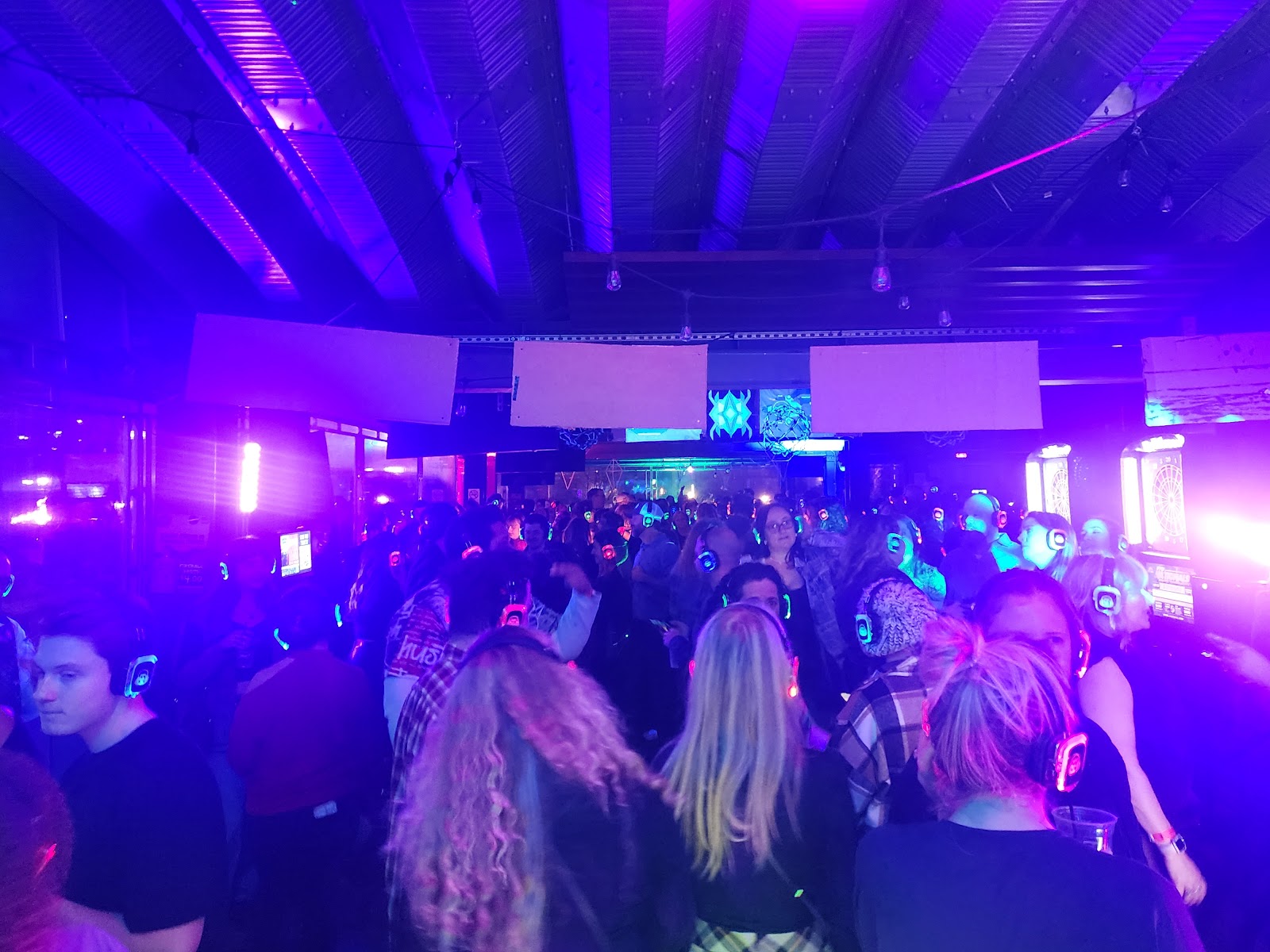
A silent disco uses wireless headphones instead of a conventional loudspeaker-heavy dance floor. Guests can usually switch between multiple music channels, each identified by a different headphone color. That makes the format useful for schools and campuses: students can choose their music, administrators can manage sound levels more easily, and different areas of a gym, cafeteria, or multipurpose room can remain usable during the event.
What a school or college silent disco includes
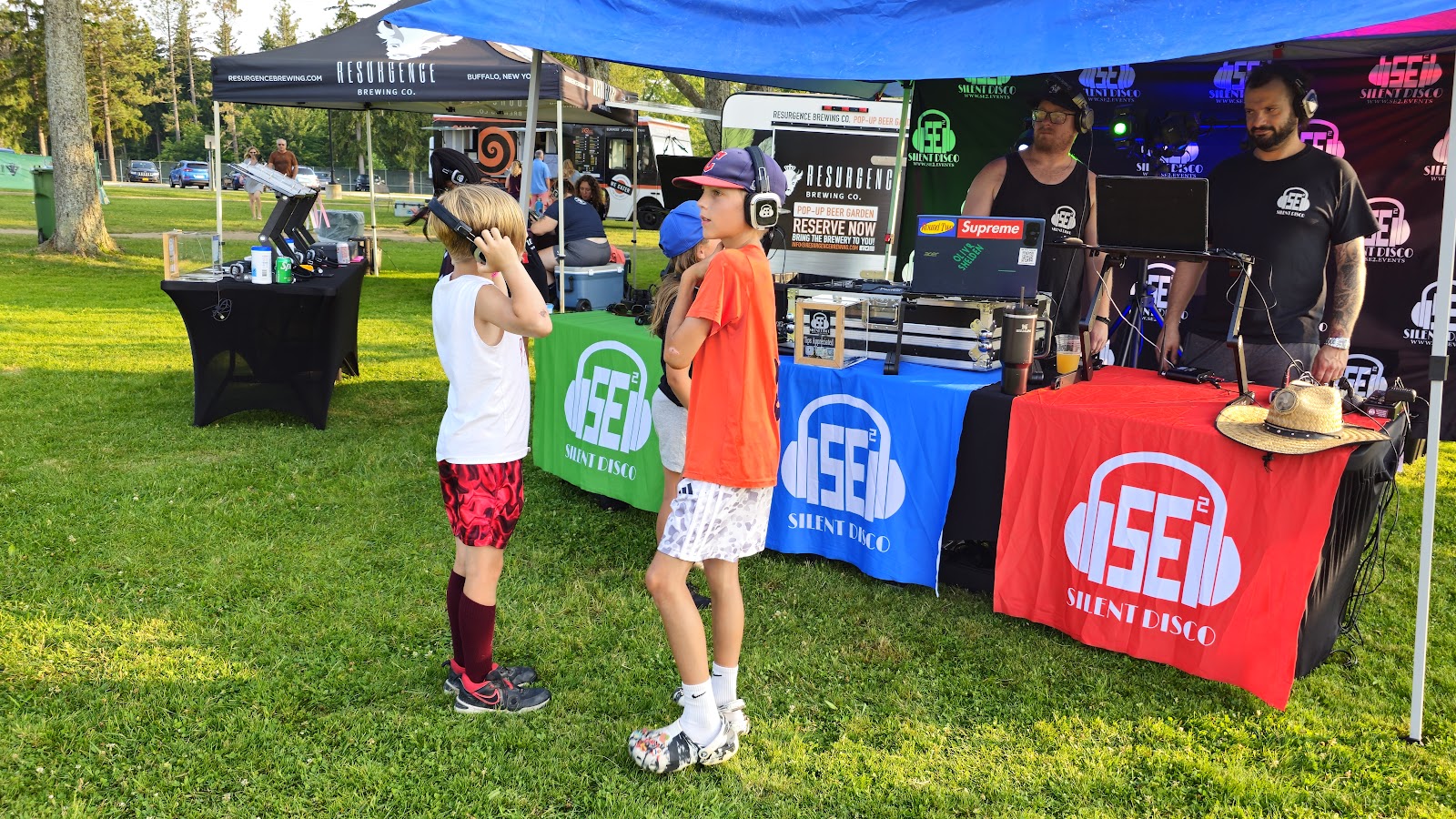
A school silent disco may be an equipment rental, a supported production, or a fully managed event. The basic package typically includes wireless headphones, transmitters, charging and transport equipment, and a distribution and return process. More involved productions can add DJs, lighting, microphones, music programming, an event lead, setup and teardown, and on-site troubleshooting.
The important comparison is not simply “headphones versus speakers.” It is how much responsibility your staff wants to carry. Equipment-only rentals can work well when a campus organization already has a trusted DJ and several adults available for check-in and returns. A managed production is usually the better fit when the event is large, the schedule is tight, or school staff need to focus on supervision rather than audio logistics.
SE2 supports schools, colleges, fundraisers, private parties, and custom productions across Buffalo, Rochester, and Western New York. You can compare options through the school and college silent disco service page, review silent disco packages, or request a silent disco quote.
How many headphones does a school event need?
Plan the headphone count around the maximum number of people likely to participate at one time, not only the number of invitations issued. If 300 students may attend but the venue capacity or program schedule limits the active dance floor to 240, your operational requirement may be closer to 240 participants. Your quote should still account for expected arrival patterns, staff use, replacements, and any shared equipment needs.
A practical starting calculation is:
Expected peak participants + staff and operational allowance = requested headphone quantity.
For example, a 150-student dance may need approximately 150 participant headphones, with additional capacity discussed during quoting for staff, technical checks, or damaged units. The right number depends on the venue, attendance pattern, age group, supervision plan, and whether every attendee is expected to receive a headset at check-in.
Ask whether the supplier provides a tested replacement process. A silent disco is quiet to the surrounding room, but a missing or uncharged headphone is immediately noticeable to the student holding it. SE2 can help compare silent disco headphone rental needs based on attendance and event format.
Can students choose between multiple music channels?
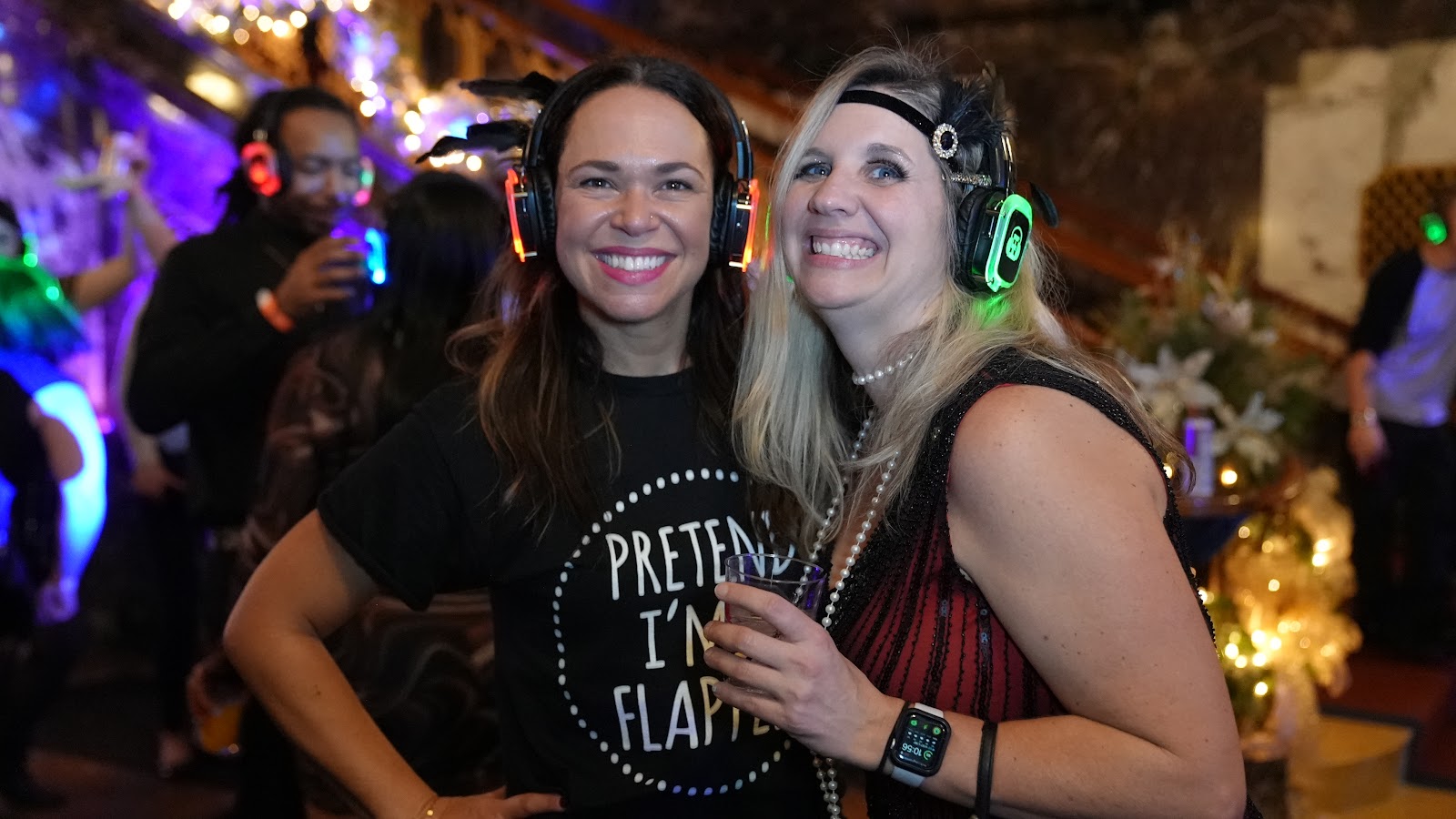
Yes. Multiple channels are one of the strongest reasons schools and colleges choose a silent disco. Students can switch between available music feeds using controls on the headphones, often with each channel represented by a colored light. A common setup might include a current dance playlist, throwback or themed music, and a student- or organization-led channel.
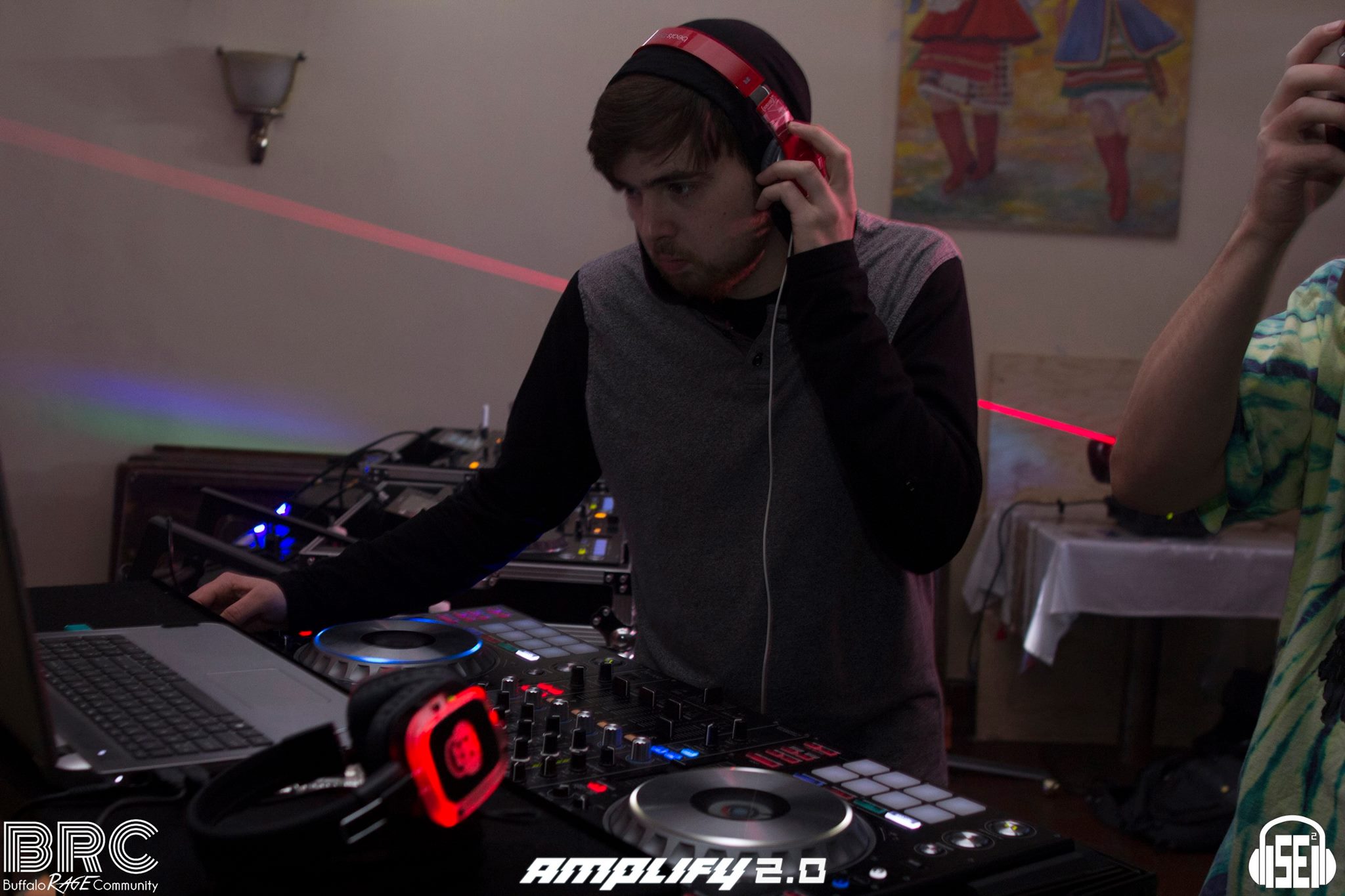
Three channels create choice, but they also create programming and supervision decisions. Someone must prepare music appropriate for the audience, confirm who controls each feed, and manage volume and transitions. If students or a campus club want to operate the channels themselves, clarify who supplies the DJs, mixers, playlists, and technical operators. SE2 can support a setup where the client brings its own DJ team, or can discuss DJ support as part of the production.
For a school dance, channel planning should also address clean versions, school policy, announcements, and how music stops at the end of the program. For a college event, the organizers may have more flexibility, but the same responsibilities still matter.
Do silent disco school events need a DJ?
No. A DJ is not mandatory if the event uses prepared playlists and the organizer can manage playback. A DJ is useful when you want live transitions, audience interaction, multiple active channels, announcements, or a more polished dance-floor experience.
The tradeoff is control versus simplicity. Playlist-only operation can reduce staffing and may suit a smaller school gathering. DJ-led production costs more because the quote may include personnel, equipment, setup time, and technical coordination, but it reduces the burden on student leaders and school staff.
If you want a silent disco DJ and lights, specify whether you need one DJ controlling all channels, separate DJs for different channels, or a house DJ using SE2’s transmitters. Also confirm whether lighting should remain subtle for a school setting or become a central part of the production. Lighting can include dance-floor fixtures and other effects, subject to the venue’s rules and the final event design.
Venue choices, safety, and supervision in Buffalo
Gyms, cafeterias, multipurpose rooms, student centers, and suitable outdoor spaces can all work. A gym offers open floor area and familiar supervision sightlines, but hard surfaces can make cable management and lighting placement important. A cafeteria may already have tables, power, and restrooms nearby, but furniture removal and protected equipment zones need to be scheduled. A multipurpose room can feel more controlled, though capacity and exits may limit the dance floor.
Outdoor events can be effective in Buffalo and Western New York when weather, darkness, power, surface conditions, and neighborhood sound rules are addressed. Silent headphones reduce amplified music reaching nearby areas, but they do not remove the need for safe lighting, clear boundaries, weather planning, and an end-of-event return process.
Before confirming a venue, check:
- Maximum occupancy and required supervision ratios
- Entrance, exit, and emergency access routes
- Available power and restrictions on haze, fog, lasers, or other effects
- A secure area for headphone storage and returns
- Tables for check-in and color-channel explanation
- Flooring, stairs, outdoor surfaces, and trip hazards
- Wi-Fi or cellular coverage if your registration process depends on it
- Staff access for setup, testing, and teardown
For Buffalo schools, colleges, and community organizations, the venue’s internal rules often shape the quote as much as the entertainment itself. A venue requiring early load-in, freight access, security coordination, or extensive furniture changes may need additional labor and time.
Check-in, distribution, and headphone returns
Treat headphone distribution as an operations station, not an afterthought. Set up tables near the entrance but away from the main dance floor. Use a simple process: welcome the participant, explain the controls and channel colors, issue a tested headphone, and direct them toward the dance area. If the school uses wristbands, tickets, or a guest list, decide in advance whether headphones are tied to any identification system.
Returns need equal attention. Announce a return window before the final song, place collection tables near the exit, and separate returned headphones from units needing inspection. Assign adults or trained student volunteers to count equipment and look for obvious damage. Do not let a single staff member handle check-in, supervision, music questions, and returns at a busy college event.
A useful customer-planning question is whether the organizer wants to pick up and drop off the equipment, as some renters have done previously, or have SE2 handle delivery, setup, and collection. That decision affects transport, timing, labor, and accountability. It should be included in the quote request rather than assumed.
What affects a Buffalo silent disco quote?
There is no responsible one-size-fits-all price for a school silent disco. Final quotes depend on guest count, date, venue, travel, shipping, staffing, DJ support, lighting, and channel needs. Local Buffalo service may differ from a shipped rental to another part of New York, while Rochester or other Western New York locations may require different travel and setup considerations.
When requesting a quote, provide:
- Event type and school or college name
- Expected attendance and peak participation
- Buffalo-area venue address or event location
- Date, event hours, and required access time
- Indoor or outdoor setup
- Number of music channels
- Whether you have your own DJs or need DJ support
- Lighting, microphone, and announcement needs
- Check-in, delivery, pickup, setup, and teardown preferences
- Any school policies, age restrictions, or venue equipment rules
For a straightforward comparison, ask SE2 to separate equipment, staffing, DJ, lighting, delivery, and shipping considerations. That makes it easier to compare a self-managed rental with a supported production without comparing incomplete packages.
Is a silent disco right for your school or campus?
A silent disco is a strong fit when the organizer wants music choice, flexible volume control, and an event that can operate in a gym, cafeteria, student center, or outdoor area. It may be less suitable when the venue cannot provide secure storage, adequate supervision, power, or enough time for equipment distribution and returns.
For Buffalo and Rochester planners, the best next step is to define the operating model before choosing entertainment: equipment only, a supported rental, or a full custom production. Then send the attendance, venue, schedule, channel, staffing, and lighting details to SE2. The clearer the brief, the more useful the quote and the smoother the event day.
If your event is a fundraiser, compare the fundraiser silent disco use case. If you are planning a graduation or student celebration, review birthday and graduation silent disco options. For a broader local comparison, see Buffalo silent disco events or Rochester silent disco events.
Plan your silent disco
- school and college silent disco events
- silent disco packages
- silent disco headphone rentals
- request a silent disco quote
- Buffalo silent disco events
- Upcoming silent disco events
Frequently asked questions
How do you plan a school silent disco in Buffalo NY?
Confirm attendance, venue capacity, event hours, music channels, supervision, headphone distribution, returns, and whether you need equipment only or DJ, lighting, setup, and on-site support. Include the venue address and access schedule when requesting a quote.
How many silent disco headphones does a school event need?
Plan around the maximum number of participants expected at one time, then discuss an operational allowance for staff, testing, and replacements. A 200-person active dance floor generally starts with approximately 200 participant headphones, subject to the final event plan.
Can students choose between multiple music channels?
Yes. Multi-channel headphones allow students to switch between available music feeds, commonly shown through different headphone colors. The organizer must confirm playlists, DJs, clean-content rules, and who controls each channel.
Do silent disco school events need a DJ?
No. Prepared playlists can work for a self-managed event. A DJ is valuable for live transitions, announcements, audience interaction, and managing multiple channels. SE2 can discuss equipment-only, client-DJ, or DJ-supported formats.
Can SE2 Silent Disco provide lighting and event support?
SE2 can discuss lighting, setup, teardown, staffing, DJ support, and other event-production needs. Availability and quote details depend on the date, venue, guest count, access requirements, lighting design, and channel plan.
What venues work well for a school or college silent disco?
Gyms, cafeterias, student centers, multipurpose rooms, and suitable outdoor spaces can work. Confirm capacity, exits, power, storage, setup access, flooring, supervision sightlines, and venue rules for lighting or atmospheric effects.
How should schools plan check-in, headphone distribution, and returns?
Place staffed check-in tables near the entrance, explain the channel controls before issuing tested headphones, and schedule a clear return process near the exit. Separate returned equipment for counting and inspection.
Are silent disco events suitable for gyms, cafeterias, outdoor spaces, and multipurpose rooms?
Yes, provided the space has appropriate capacity, access, power, supervision, and a secure equipment process. Outdoor events also require weather, surface, lighting, and neighborhood-planning considerations.